Welcome to San Francisco: The People and Stories That Make This City Home
From Mission District community organisers to Ferry Building entrepreneurs, meet the newcomers and long-timers reshaping the city's soul.
From Mission District community organisers to Ferry Building entrepreneurs, meet the newcomers and long-timers reshaping the city's soul.
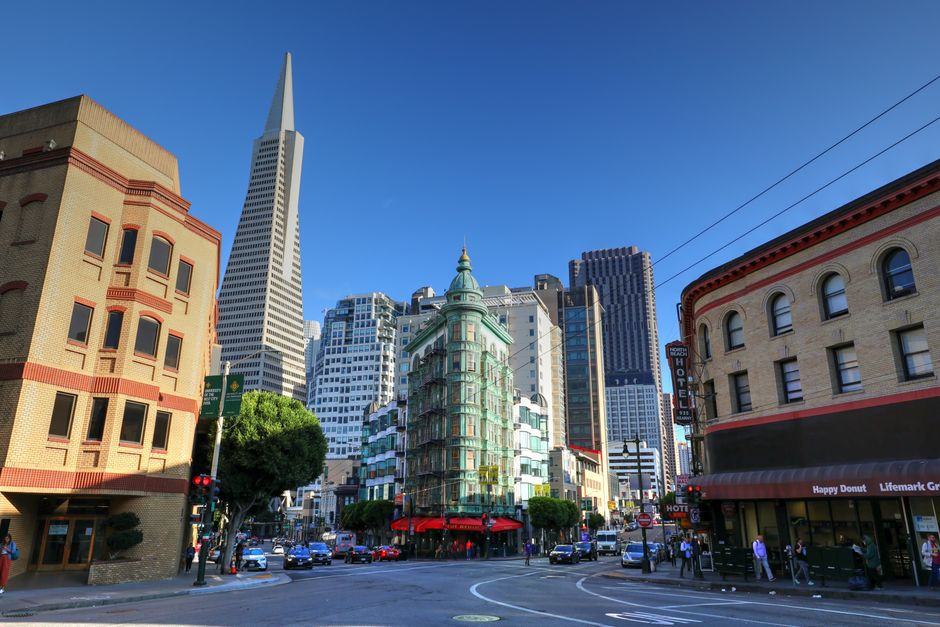
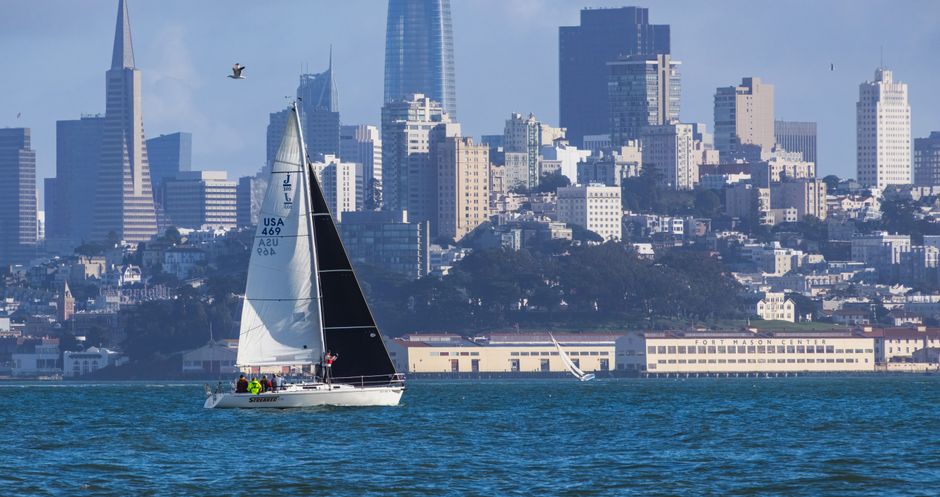
San Francisco's reputation precedes it: tech hub, expensive, foggy, unaffordable. But ask anyone who's arrived in the past three years—whether fleeing instability abroad or seeking reinvention—and they'll tell you a different story. It's a city defined not by its skyline, but by the people rebuilding themselves within it.
Walk into Cafe Trieste in North Beach on a Tuesday morning and you'll find what longtime residents call the city's genuine heartbeat. Tucked on Columbus Avenue since 1956, it's where new arrivals—a Portuguese software engineer, a Venezuelan documentary filmmaker, a former investment banker from London—sit beside Italian-American regulars and Irish construction workers. The espresso costs $3.50. The conversation is free and honest.
"People come here running from something or running toward something," says the manager of one of the city's leading immigrant support organisations. "San Francisco doesn't judge either motivation." That ethos manifests in unexpected ways. The Mission District's thriving community gardens—particularly those around 24th Street—have become informal networks where newly arrived gardeners share seeds and stories. Valencia Street's independent bookshops host reading groups in five languages. LGBTQ+ community centres in the Castro continue serving as anchors for those seeking belonging.
The economic reality remains brutal. Median rent for a one-bedroom in the Mission sits around $2,800; a studio near the waterfront commands closer to $3,200. Yet newcomers are finding creative pathways. Co-living arrangements in the Outer Sunset. Shared studio spaces in SoMa. Neighbourhoods like the Richmond District, less touristed and more genuinely residential, where monthly rent dips below $2,500 and you'll find Vietnamese restaurants, Irish pubs, and Indian grocers functioning as genuine community anchors rather than Instagram backdrops.
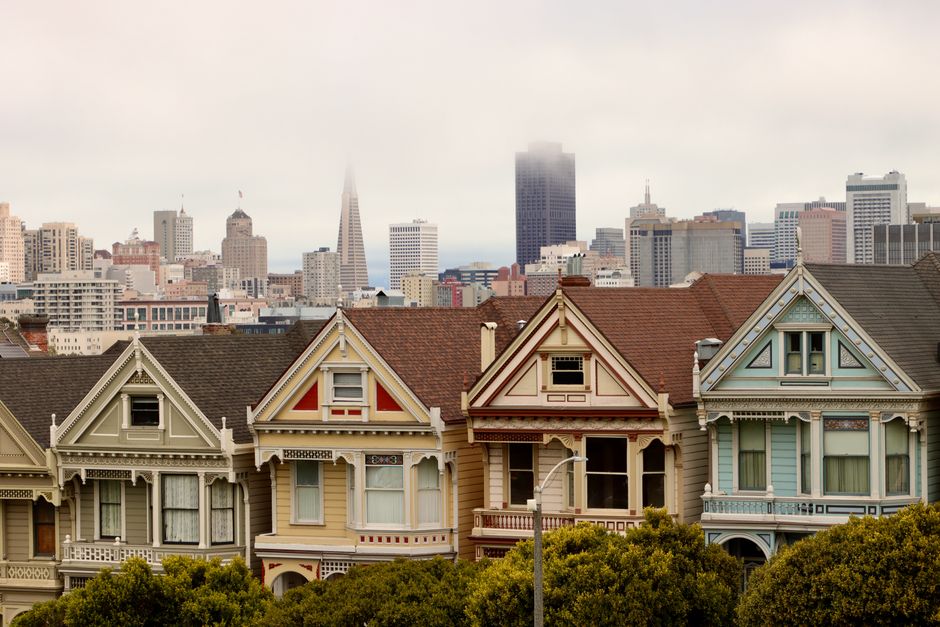
What strikes first-time arrivals most isn't the Golden Gate Bridge or the painted Victorians—it's the accessibility of ordinary life. You can take a ferry to Sausalito for $15. A meal in the Mission costs $12 to $18. The public library system offers free language classes, job training, and community programmes. These practical generosities reshape how newcomers experience the city.
Three years into living here, many say the same thing: San Francisco's true magic isn't in its landmarks. It's in the librarian from Seoul helping you understand your visa paperwork. The barista in the Haight who remembers your regular order. The neighbour who leaves surplus vegetables on the stoop. The city works because its people—old and new, struggling and thriving—keep choosing to stay and make it work together.
This article was compiled by AI and screened before publishing. See our editorial standards.
How does this story make you feel?
Spread the word
About this article
Published by The Daily San Francisco
Daily brief
Free, in your inbox before 7am. Weekdays.
More in lifestyle