Why San Francisco's Neighborhoods Defy the Global City Template
From Mission District muralism to Pacific Heights Victorian charm, this city's hyperlocal communities resist the homogenization reshaping urban centers worldwide.
From Mission District muralism to Pacific Heights Victorian charm, this city's hyperlocal communities resist the homogenization reshaping urban centers worldwide.
Walk through the Mission District on a Friday evening and you'll encounter something increasingly rare in global cities: a neighborhood that still feels genuinely resistant to corporate sterilization. Yes, the average one-bedroom apartment here costs $2,800 monthly—among America's highest—yet independent taquerias, artist collectives, and family-owned bodegas persist alongside tech workers and venture capitalists. This tension defines San Francisco's essential character in ways that distinguish it from London's gentrified Shoreditch or Barcelona's flattened Gothic Quarter.
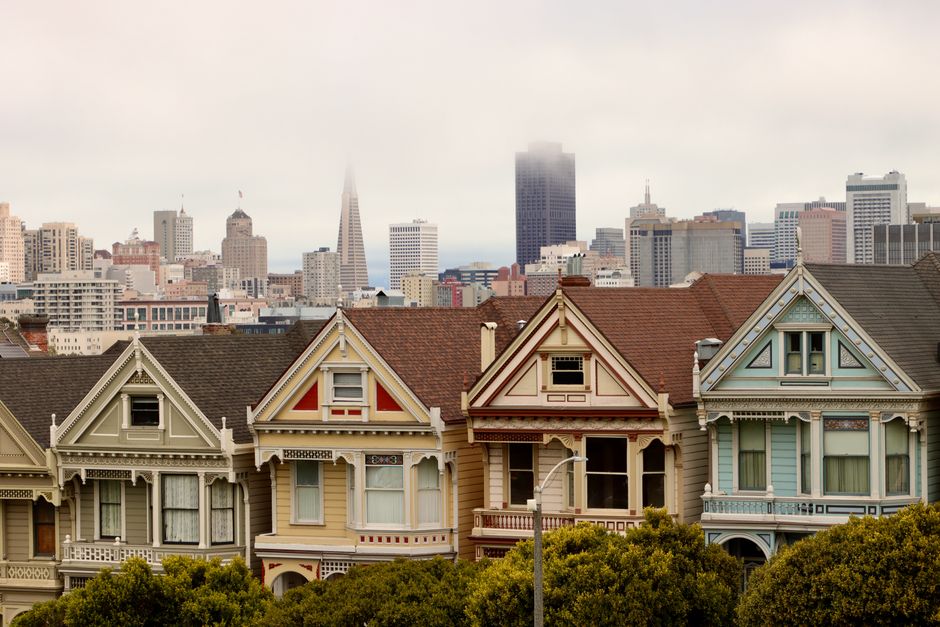
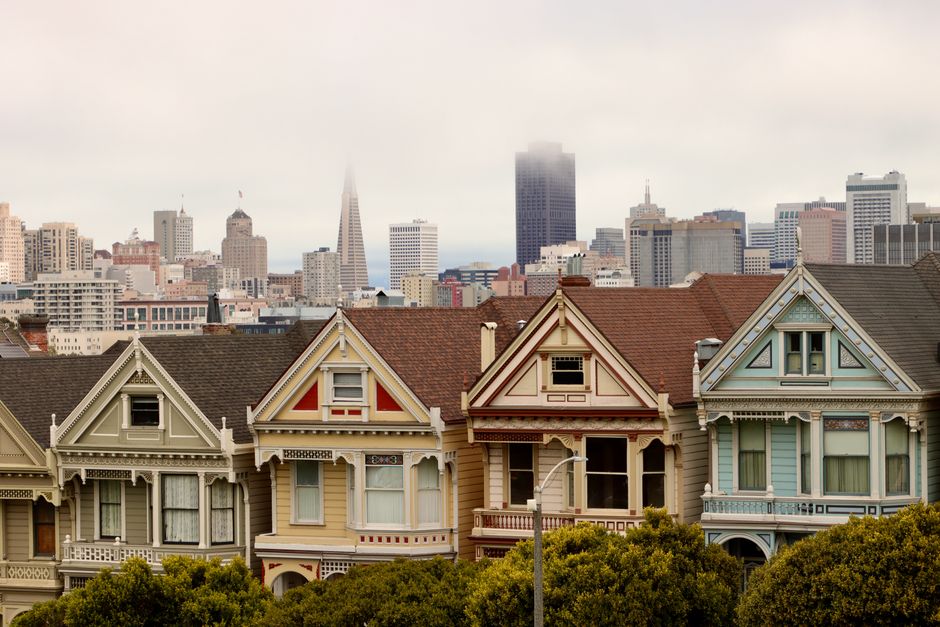
The difference lies in San Francisco's stubborn neighborhood tribalism. The Castro remains defiantly queer, a living monument to LGBTQ+ culture that predates modern gentrification waves. The Richmond District retains its working-class Irish and Russian immigrant heritage despite surrounding wealth. Even Hayes Valley, despite artisanal coffee shops and $5 million Victorian conversions, hasn't fully surrendered its funky edge.
This persistence stems partly from San Francisco's geography—the city's natural boundaries and steep topography have historically prevented the sprawling homogenization that flattened other American downtowns. But it's also a function of institutional resistance. Organizations like the San Francisco Heritage and local neighborhood associations have fought tooth-and-nail against chain stores. You won't find a Starbucks on every corner like in Seattle or Manhattan.
Compare this to Hong Kong or Singapore, where rapid development erases cultural memory within years. Or Paris, where strict zoning laws create beautiful uniformity that paradoxically kills neighborhood variation. San Francisco remains chaotic, inefficient, and frustratingly contradictory—three people can live on the same block of Valencia Street and experience entirely different cities depending on which coffee shop they frequent.
The city's bohemian DNA, established during the Beat era in North Beach and cemented during the 1960s, created institutional permission for weirdness. That legacy means neighborhoods like the Tenderloin, despite desperate homelessness and drug use, still contain vibrant Filipino community centers and experimental theater spaces that resist erasure.
For newcomers seeking authentic city living without surveillance-state efficiency, this is the appeal. San Francisco offers that increasingly extinct commodity: a major global city where neighborhood identity still matters more than brand consistency. Where your landlord might still be a human rather than an algorithm. Where a muraled alley in the Mission can still function as both art gallery and community gathering space.
It's messy. It's expensive. It's failing many of its residents. But in 2026, when so many global cities are becoming interchangeable collections of glass towers and international chains, San Francisco's stubborn commitment to neighborhood character remains genuinely distinctive.
This article was compiled by AI and screened before publishing. See our editorial standards.
How does this story make you feel?
Spread the word
About this article
Published by The Daily San Francisco
Daily brief
Free, in your inbox before 7am. Weekdays.
More in lifestyle