San Francisco Transforms Embarcadero With New Commute Routes
Once dominated by car traffic and ferry queues, the Embarcadero corridor is undergoing a dramatic transformation that's reshaping how thousands of workers move through the city daily.
Once dominated by car traffic and ferry queues, the Embarcadero corridor is undergoing a dramatic transformation that's reshaping how thousands of workers move through the city daily.
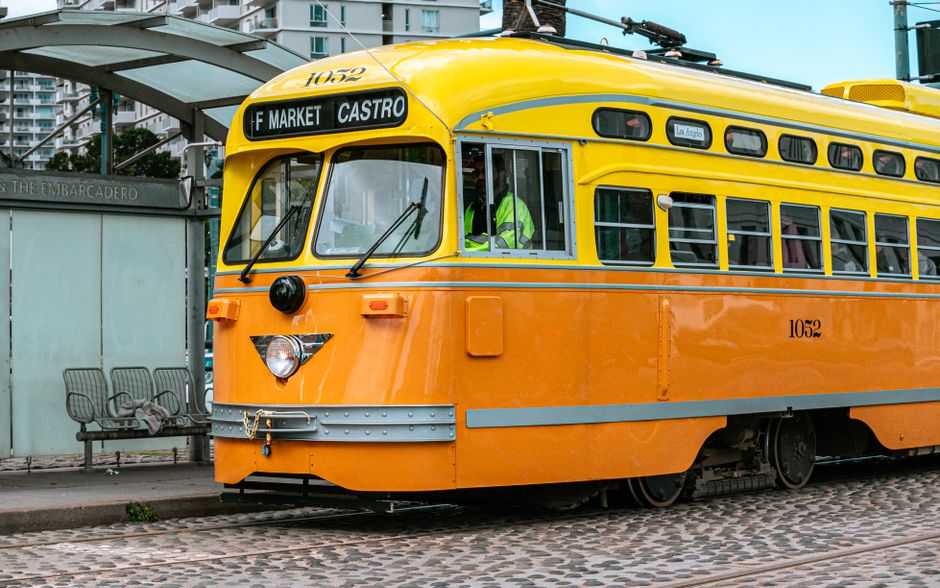
Five years ago, commuting along the Embarcadero meant battling gridlock on the Embarcadero Freeway or gambling on Muni schedules that rarely aligned with reality. Today, the waterfront corridor is experiencing a quiet but significant shift in how San Franciscans move through this vital stretch of the city—one that reflects broader changes in work patterns, urban design priorities, and transportation technology.
The catalyst has been multifaceted. The completion of enhanced bike lanes from the Ferry Building to Pier 39 has tripled cyclist commuter traffic since 2024, according to SF Planning Department counters. Meanwhile, the expansion of the F-Line historic streetcar service and integration with the new Embarcadero Rapid Bus service (launched late 2025) has drawn commuters away from private vehicles. Current SFMTA data suggests transit ridership along the corridor has increased 34 percent since 2023.
But perhaps most notably, the neighborhoods themselves are evolving. The opening of WeWork and other flexible office spaces near the Transamerica Pyramid and One Market has created a new category of "micro-commuters"—workers who need only to travel two to three neighborhoods for work, rather than crossing the entire city. The nearby Mission Creek neighborhood, once primarily industrial, now hosts the headquarters of three major tech companies, fundamentally altering commute patterns and pushing demand for more flexible, less car-dependent options.
Real estate brokers and lifestyle analysts note that younger professionals increasingly cite commute convenience as a primary factor when choosing where to live. The neighborhoods directly adjacent to the Embarcadero—the Financial District, Jackson Square, and North Beach—have seen rental prices hold relatively steady compared to other parts of the city, a rare stability in San Francisco's volatile housing market.
The shift hasn't been frictionless. Aging infrastructure along the waterfront still creates bottlenecks, and the beloved but chronically delayed Muni streetcars remain unreliable enough that many professionals maintain backup commute strategies. Additionally, the micromobility ecosystem—e-bikes, scooters, and shared vehicles—has created new pedestrian safety conversations that City Hall is only beginning to address seriously.
Yet the trajectory is clear: the Embarcadero is evolving from a commute problem into a case study in how dense urban corridors can successfully diversify transportation options. For commuters who once budgeted 90 minutes for a Bay Bridge crossing or waterfront Muni ride, the changes represent something increasingly rare in San Francisco: genuine progress in getting around.
This article was compiled by AI and screened before publishing. See our editorial standards.
How does this story make you feel?
Spread the word
About this article
Published by The Daily San Francisco
Daily brief
Free, in your inbox before 7am. Weekdays.
More in lifestyle