For decades, the Marin Headlands operated as San Francisco's best-kept secret: a rugged, largely undeveloped expanse of coastal trails and military history accessible within 20 minutes of downtown, yet worlds away from the city's hustle. But the peninsula's character is shifting. What was once the domain of dedicated backpackers and seasoned cyclists is becoming a mainstream weekend destination, prompting a quiet but significant reimagining of how this landscape serves its visitors.
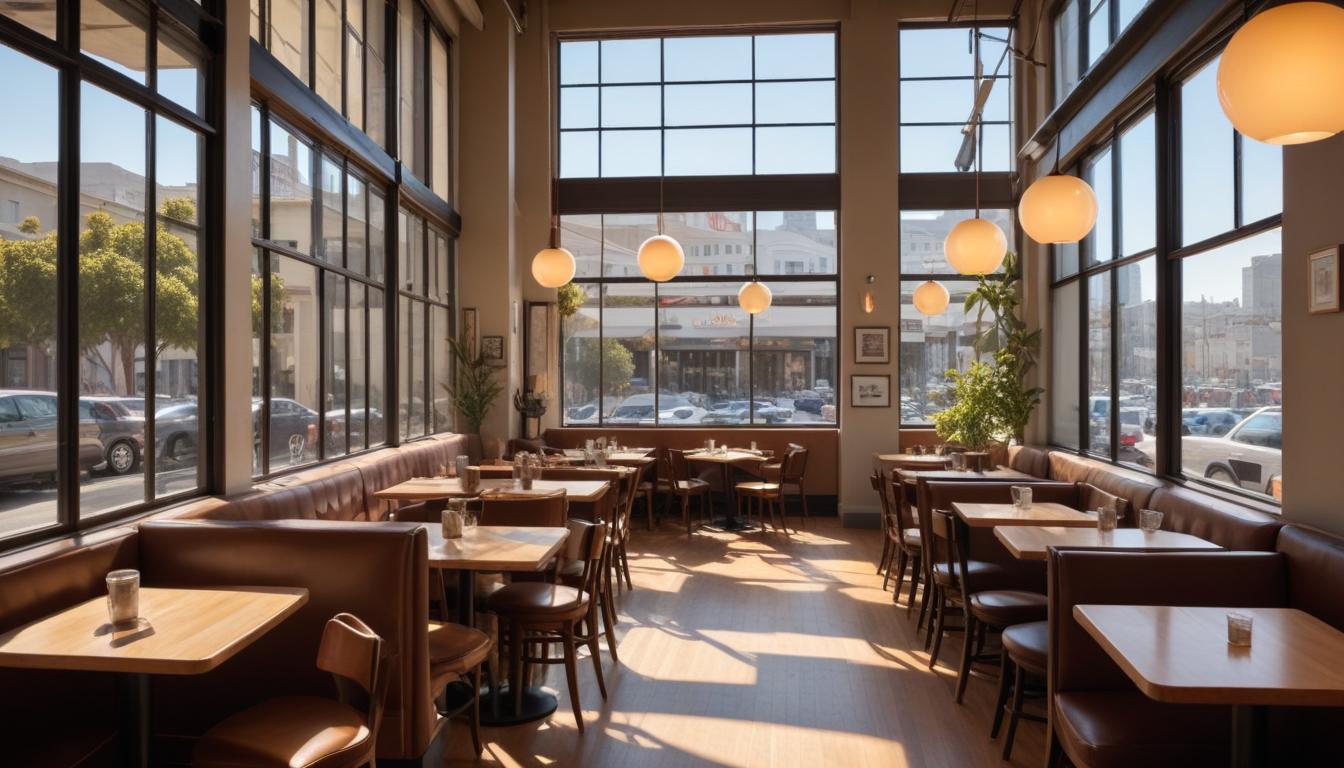
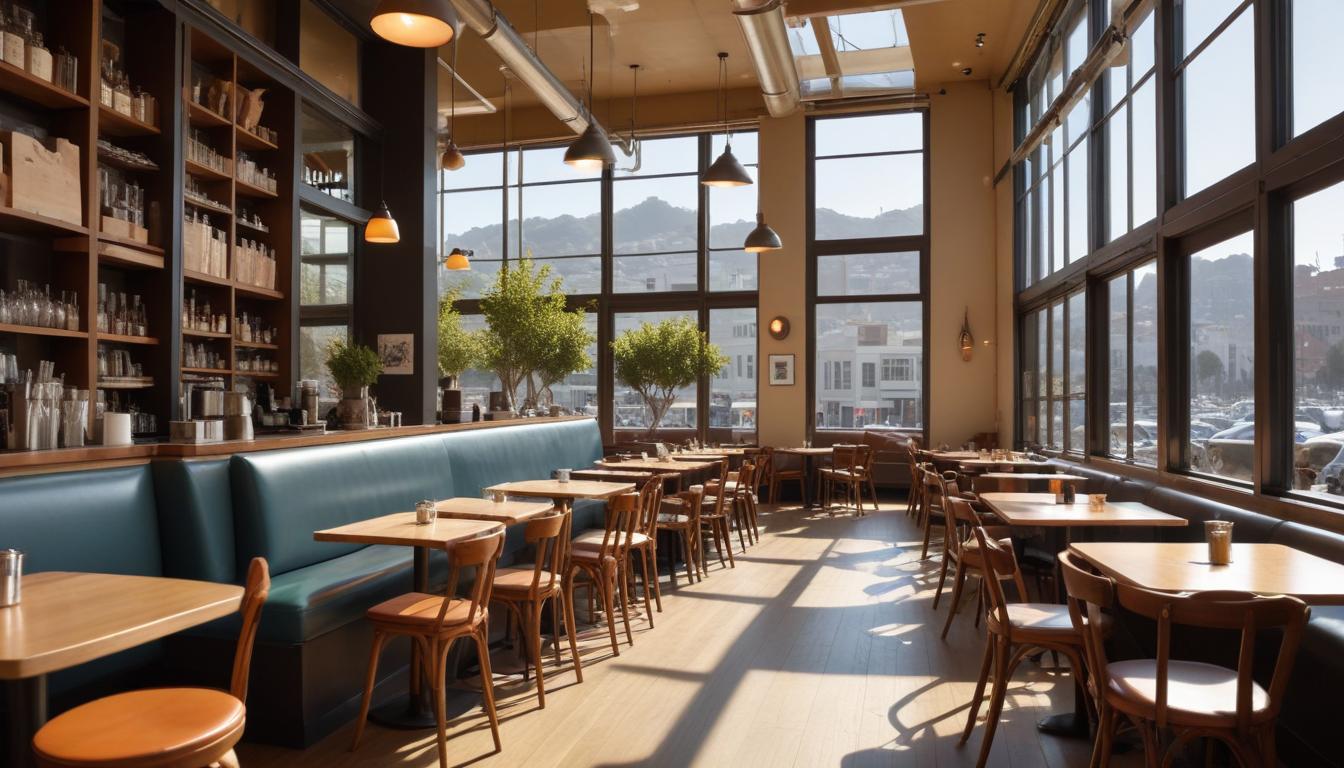
The numbers tell the story. The Golden Gate National Recreation Area, which manages the Headlands, has seen visitation climb steadily since 2022. Parking at popular trailheads like Muir Beach and Hawk Hill now regularly fills by 10 a.m. on weekends, forcing late arrivals to queue or turn back. The Marin Headlands Visitor Center, reopened and renovated in 2024, has become an unexpected social hub, with its café now serving locally roasted coffee and organic pastries to crowds that would have been unimaginable five years ago.
This evolution reflects broader changes in how Bay Area residents approach leisure. After pandemic-era hiking surges normalized outdoor recreation, visitors want more than just trails—they want amenities, programming, and Instagram-worthy vistas. The Headlands is responding. New shuttle services from the Ferry Building (launched March 2025) now operate weekends, reducing car traffic while charging $8 per person. A network of shorter, family-friendly loops has been developed alongside the demanding ridge-top routes, democratizing access to what was previously a fitness pursuit.
Yet not everyone welcomes the shift. Local conservation groups worry about ecological damage from concentrated foot traffic on previously quiet paths. The Headlands Institute, a nonprofit education center, has expanded programming to manage visitor flow through guided tours and volunteer restoration days, attempting to balance access with preservation.
The changes reflect deeper tensions in San Francisco's relationship with nature. As housing costs push residents eastward and commutes lengthen, nearby wilderness becomes a pressure valve—but that valve has limits. The Headlands' evolution suggests we're at an inflection point: either we invest in sustainable infrastructure and education, or we risk loving these landscapes to death.
For now, weekend visitors continue to discover what locals have always known. They're just doing it differently—arriving by shuttle, lingering over cappuccinos, posting sunset photos. The Headlands remain transformative. They're just sharing that transformation with far more company than before.
This article was compiled by AI from the sources linked above and screened before publishing. See our editorial standards.