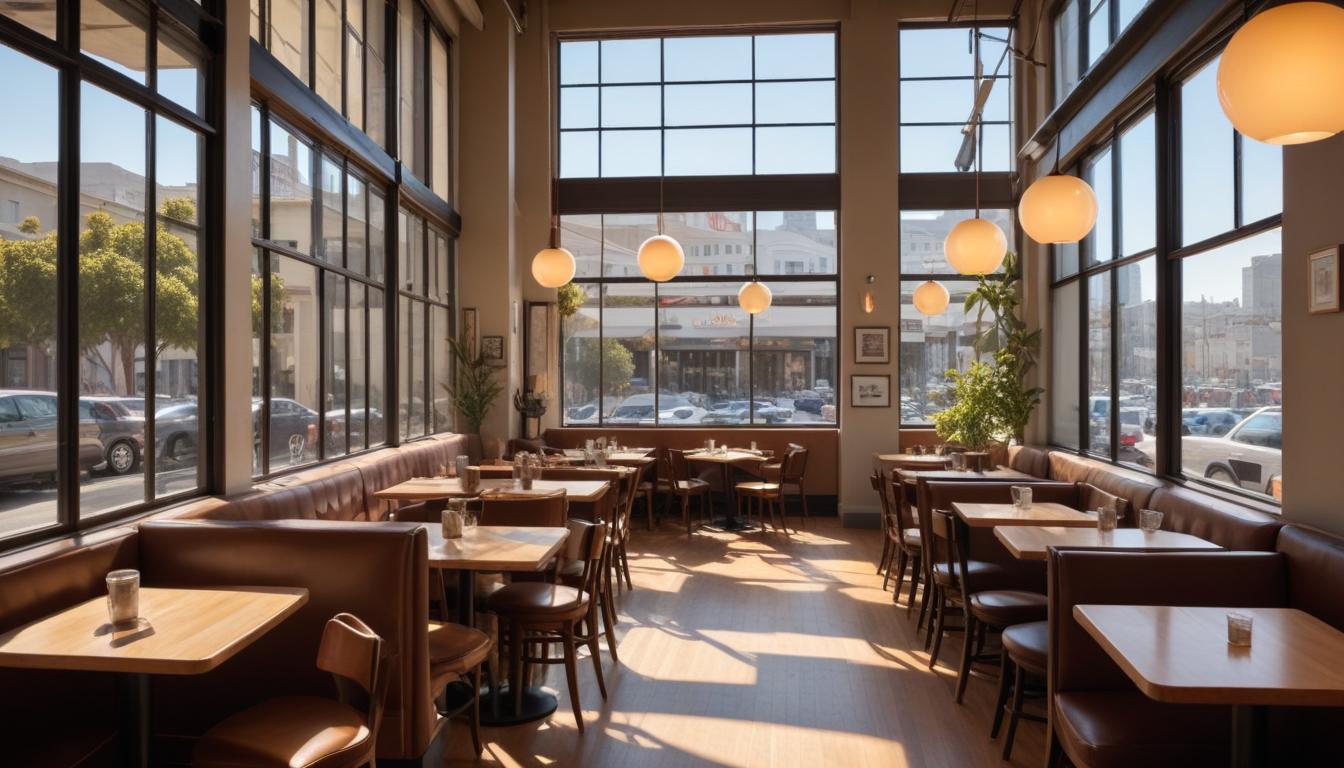
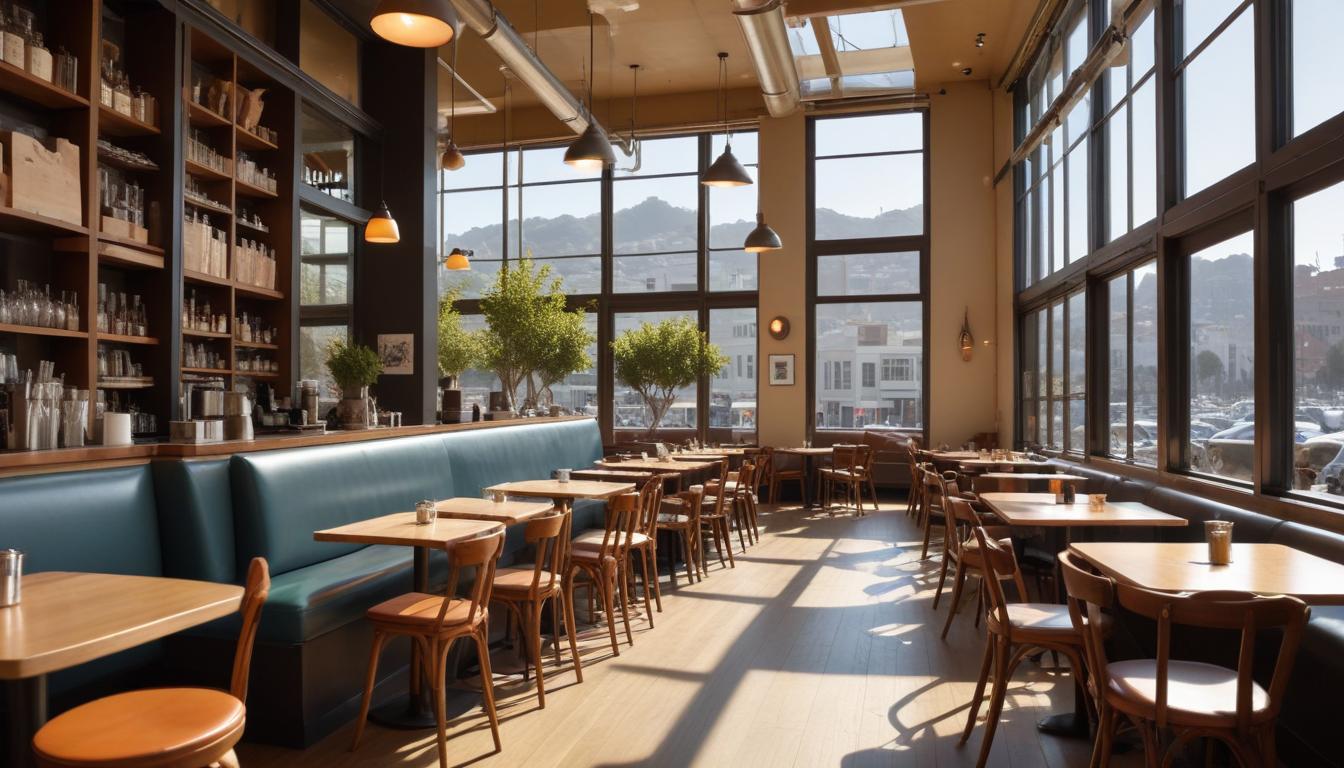
The Ferry Building Marketplace has always been a temple to San Francisco's food culture—a place where farmers, cheesemongers, and bakers hawked their wares to lines of devoted locals willing to pay premium prices for heirloom tomatoes and sourdough. But walk through the historic 1898 structure on a Monday afternoon in 2026, and you'll notice something shifting beneath the polished wooden beams and artisanal café culture that defined the market for nearly three decades.
The change is subtle but undeniable. Several long-standing vendors have shuttered or scaled back their hours. At the same time, a new wave of retailers—many leveraging direct-to-consumer models, subscription services, and social media—are claiming prime real estate along the Embarcadero. The Ferry Building isn't declining; it's evolving.
"We're seeing fewer impulse shoppers and more intentional visitors," explains a spokesperson for the market's management team. The foot traffic patterns have shifted measurably. While weekend crowds remain robust, weekday visitors have dropped roughly 15 percent since 2023, according to internal assessments shared with local media. Many regulars now pre-order items online or visit less frequently, buying in bulk rather than making weekly trips.
This has forced vendors to get creative. Several established names have expanded their online presence or partnered with delivery services. Newer arrivals—including a zero-waste grocery collective and two woman-owned kombucha and fermentation brands—have brought fresh energy to previously underutilized stalls. Some vendors report that social media engagement now drives as much business as foot traffic.
The demographic shift is equally striking. While the market still attracts well-heeled locals from Pacific Heights and Nob Hill, younger shoppers—particularly those priced out of residential neighborhoods and seeking community—are discovering the market as a gathering space rather than purely a shopping destination. Weekend brunch crowds at the market's restaurant vendors have surged 22 percent in the past year.
Pricing has also undergone subtle recalibration. While a pound of heirloom tomatoes still commands $6–$8 (unchanged from five years ago), newer vendors are testing different price points, including ready-to-eat meal options and value-oriented prepared foods alongside the market's traditional premium offerings.
The Ferry Building's evolution reflects broader shifts in San Francisco's retail landscape. The waterfront icon remains essential to the city's identity, but it's no longer the undisputed center of artisanal food culture. It's becoming something more hybrid—part marketplace, part social hub, part digital-first retail experiment.
This article was compiled by AI from the sources linked above and screened before publishing. See our editorial standards.