How You Get Around San Francisco Defines Which Neighborhood You Call Home
From cable cars to cargo bikes, the way locals move through the city reveals the soul of each district.
From cable cars to cargo bikes, the way locals move through the city reveals the soul of each district.
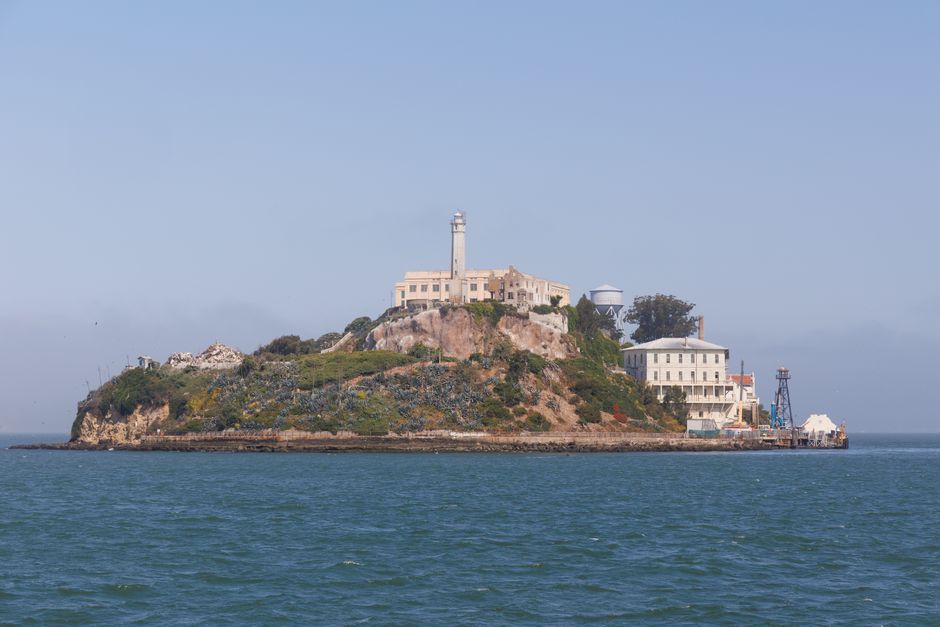
There's a reason San Franciscans don't just ask "where do you live?"—they ask "how do you get there?" Your commute isn't merely logistics; it's a daily referendum on neighborhood identity, and the Bay Area's intricate web of transit lines, bike lanes, and walking routes tells the real story of who we are.
Take the Mission District. Weekday mornings along Valencia Street pulse with a particular energy: cyclists in messenger bags weaving between BART-bound commuters, the aroma of fresh cortados from local roasters mixing with diesel exhaust. The 14-Mission bus stops are perpetual social hubs where longtime residents chat with newer arrivals, creating an egalitarian commute culture. Here, the journey itself matters—it's where community happens.
Contrast that with the Financial District's stark efficiency. Hordes of professionals emerge from BART's Market Street station in synchronized waves between 8 and 9 a.m., their transit experience transactional rather than communal. The neighborhood's character—corporate, fast-paced, deliberately impersonal—is encoded into how people move through it. The recent addition of better bike parking on Embarcadero has subtly shifted this, attracting younger workers who transform their commute into personal time.
Meanwhile, Richmond District residents have cultivated something entirely different. The 38-Geary bus serves as the neighborhood's backbone, connecting Clement Street's multigenerational Asian businesses to the Presidio's natural spaces. Here, commuting is often a car-dependent affair, and that choice reinforces the neighborhood's more car-comfortable, family-oriented character. The tradeoff: parking stress and isolation, offset by neighborhood stability.
The rise of e-bike commuting, particularly visible on Market Street and down the Embarcadero greenway, has created a new transit subculture. Young professionals and parents increasingly skip BART fees ($2.65-$5.15 per ride) and parking nightmares for micro-mobility, fundamentally reshaping which neighborhoods feel accessible and desirable.
Hayes Valley epitomizes transit-oriented gentrification—the neighborhood's walkability to restaurants and galleries has exploded alongside improved Muni service on Market Street. Proximity to the Van Ness Avenue corridor has made it appealing to professionals who can reach downtown in 15 minutes by bus.
As San Francisco grapples with housing costs and climate goals, how we move through the city increasingly determines neighborhood character. The neighborhoods thriving right now—Mission, Hayes Valley, portions of the Richmond—are those where commuting feels integrated into community life rather than separate from it. Your morning bus ride, your bike route, your cable car pass: these aren't just transportation choices. They're a declaration of which San Francisco you've chosen to inhabit.
This article was compiled by AI from the sources linked above and screened before publishing. See our editorial standards.
How does this story make you feel?
Spread the word
About this article
Published by The Daily San Francisco
Daily brief
Free, in your inbox before 7am. Weekdays.
More in lifestyle