Why San Francisco Weekend Getaways Feel Less Crowded Than Ever
A shift in remote work patterns and new transit infrastructure has transformed day trips around the Bay, making beloved escapes more accessible and peaceful.
A shift in remote work patterns and new transit infrastructure has transformed day trips around the Bay, making beloved escapes more accessible and peaceful.
Ask any San Francisco local where they've spent their last three weekends, and you'll hear an unexpected pattern: fewer are staying put in the Mission or heading to Marin's usual suspects. Instead, a quiet revolution in how Bay Area residents access weekend leisure has fundamentally reshaped where we actually go—and why we're enjoying it more than we have in years.
The shift began subtly last year with the expansion of Bay Area Rapid Transit service frequency. Enhanced evening and weekend BART schedules have made towns like Napa, Sonoma, and the Santa Cruz Mountains feel genuinely accessible without the 405-style freeway nightmare. Local data from the Metropolitan Transportation Commission shows a 23 percent uptick in weekend transit usage since early 2025, concentrated on routes that previously felt like afterthoughts. The practical effect? Parking at trailheads in Mount Tamalpais is no longer a frantic 45-minute search.
Equally significant is the evolution of hybrid work culture. As organizations have settled into genuine flexibility—rather than performing it—weekends have expanded beyond the traditional Friday-night-to-Sunday-evening window. Many locals now take Monday or Tuesday off to extend camping trips or wine country visits without competing against 500,000 other Bay Area residents. A casual survey of Airbnb availability in Mendocino and Bolinas suggests weekend demand has actually flattened, making previously impossible reservations suddenly achievable.
The infrastructure improvements are tangible too. The Golden Gate Transit terminal on Mission Street underwent major renovations in 2025, cutting commute times to Marin's Point Reyes and Stinson Beach by nearly 15 minutes. Meanwhile, the new shuttle system connecting Caltrain stations directly to Big Basin Redwoods State Park has opened trails to visitors who once found access intimidating.
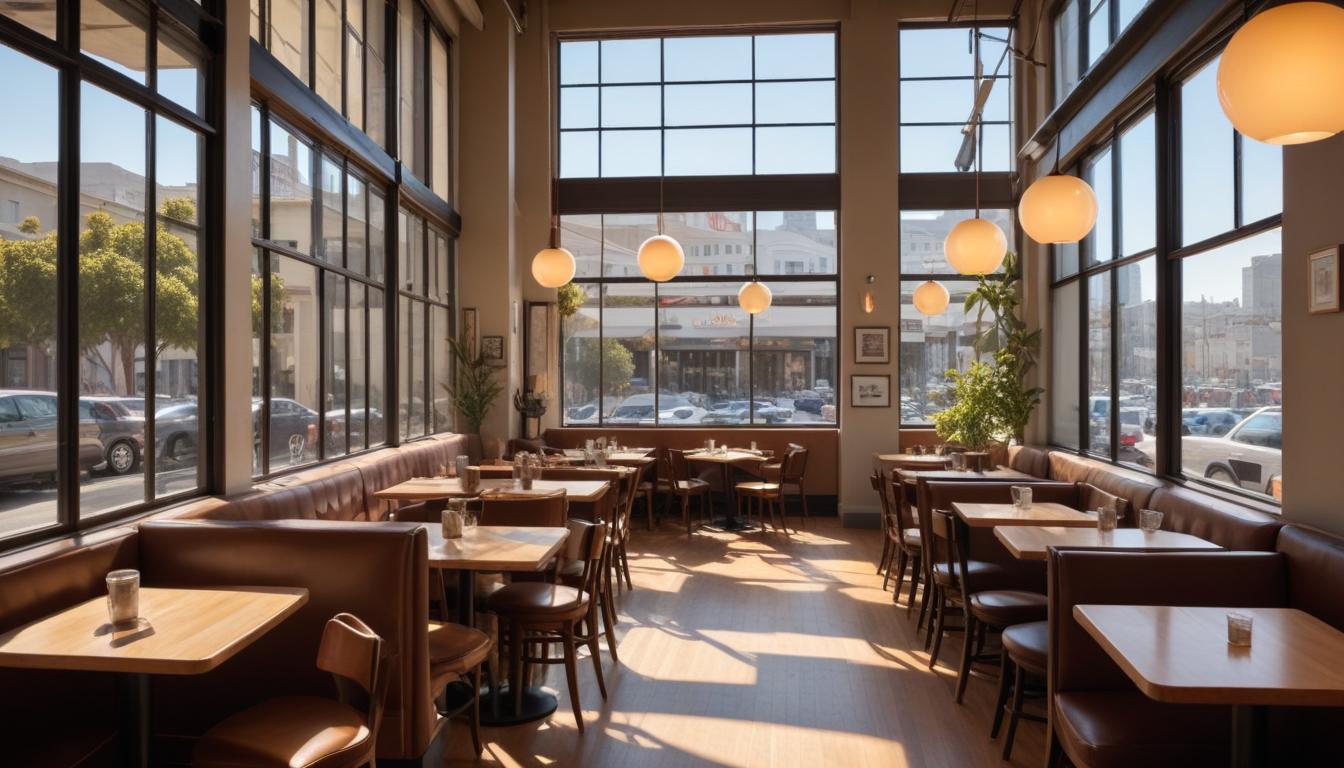
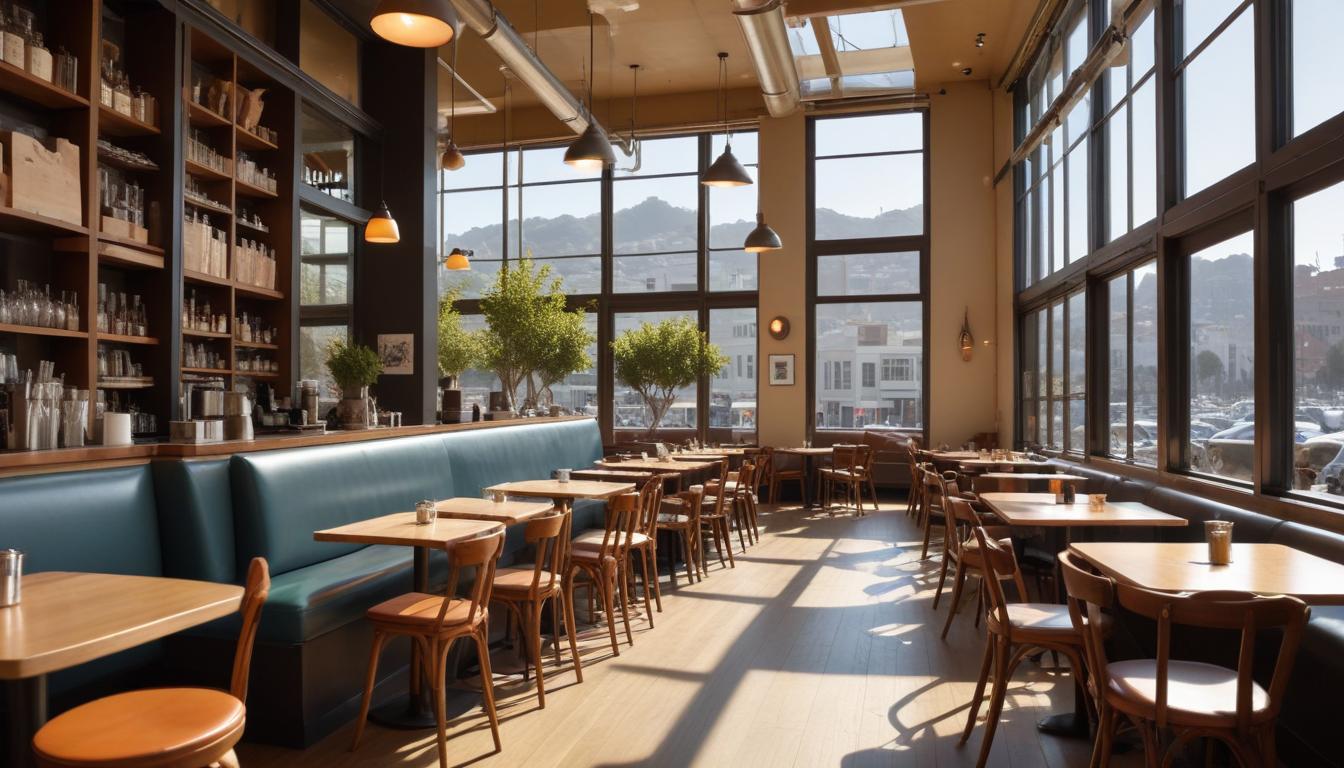
What this means on the ground: Lands End trails feel measured rather than mobbed. The Russian River sees meaningful breathing room on weekends. Even touristy Fisherman's Wharf, previously shoulder-to-shoulder, has reclaimed some semblance of livability. Local cafe owners along Chestnut Street report customers are less frantically meal-prepping before weekend escapes and more genuinely lingering over coffee, knowing they can slip out at unconventional times.
Perhaps most significantly, the Bay's constellation of smaller towns—Sausalito, Sebastopol, Half Moon Bay—are finally getting their moment without the crushing overflow from overcrowded flagship destinations. The psychological effect is real: locals aren't just accessing nature more easily, we're reclaiming the simple pleasure of unhurried leisure within an hour's transit of home.
This article was compiled by AI from the sources linked above and screened before publishing. See our editorial standards.
How does this story make you feel?
Spread the word
About this article
Published by The Daily San Francisco
Daily brief
Free, in your inbox before 7am. Weekdays.
More in lifestyle