Markets Rally Into the Fourth of July as Gold Surges Past $4,100 and Oil Slides
A broad global risk-on session pushed the S&P 500 to 7,483 and lifted Bitcoin above $62,000, even as crude oil's sharp retreat flashed a warning about demand.
A broad global risk-on session pushed the S&P 500 to 7,483 and lifted Bitcoin above $62,000, even as crude oil's sharp retreat flashed a warning about demand.
Wall Street closed Thursday's abbreviated Independence Day session deep in the green, with the S&P 500 finishing at 7,483, up 1.71 percent, the Nasdaq Composite at 25,833, up 1.87 percent, and the Dow Jones Industrial Average clearing 52,900 for a gain of 1.89 percent. For San Francisco households with 401(k) accounts heavily weighted toward large-cap technology, it was a satisfying holiday gift. The gains did not arrive in a vacuum; they followed a European handover that itself built on cautious overnight strength across Asian equity markets, and the full global picture is considerably more complicated than a single day's closing ticks suggest.
The European session set the tone before New York opened. Frankfurt, Paris and London equity benchmarks each edged higher, helped by softer-than-expected eurozone services inflation data and a sense that the European Central Bank has room to hold rates steady without triggering a growth scare. Currency markets were relatively calm; the euro held firm against the dollar and sterling drifted marginally. Asian bourses had already handed off a modestly positive tape, with Tokyo and Seoul posting quiet gains on low holiday-week volume. None of it was dramatic, but the cumulative effect was to give U.S. futures a gentle tailwind heading into the cash open.
Gold was the session's true standout. Spot prices surged 4.10 percent to $4,187 per troy ounce, a move that commands attention even by the standards of a metal that has spent much of 2026 printing record after record. At that level, gold is comfortably the strongest-performing major asset class of the year. The rally reflects a persistent global bid: central bank buying from emerging-market institutions has not abated, geopolitical risk premiums remain embedded in the price, and the dollar's relatively subdued posture on Friday gave buyers additional room. For San Francisco investors holding gold ETFs or mining equity in taxable brokerage accounts, the compounding gains are now substantial enough to generate meaningful capital-gains exposure whenever they choose to exit.
West Texas Intermediate crude fell sharply, dropping 2.78 percent to $68.78 a barrel, and that divergence from the equity rally deserves scrutiny. Crude sliding while stocks rise can signal that markets are pricing in slower global industrial demand even as financial assets stay buoyant, a combination that has historically been a late-cycle indicator. OPEC-plus supply decisions made in recent months have added barrels to the market, and softer Chinese manufacturing readings that filtered through Asian trading overnight reinforced the demand skepticism. For Bay Area consumers, cheaper crude eventually translates to lower pump prices, which is a modest household positive, but energy-sector positions inside diversified index funds will be a drag.
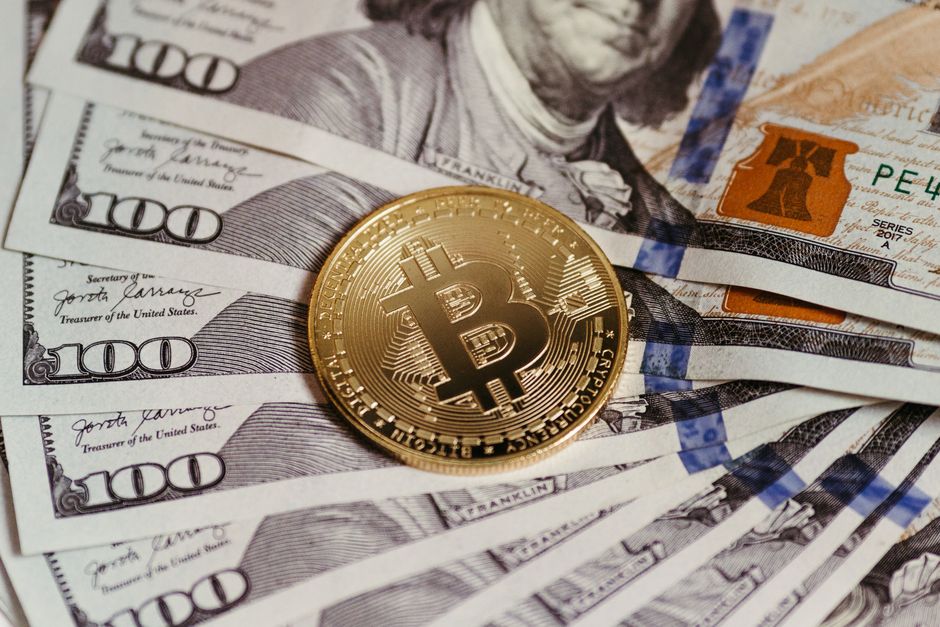
Bitcoin jumped 6.66 percent to $62,456, its sharpest single-session move in several weeks. The cryptocurrency's correlation with Nasdaq mega-caps has been inconsistent this year, but Friday's alignment, both rising together, suggests the session was a broad risk-appetite trade rather than a rotation story. Institutional flows into spot Bitcoin ETFs, several of which are listed on U.S. exchanges and have gathered tens of billions in assets since their approval in early 2024, appear to have absorbed selling from shorter-term holders and pushed price through a technical level that had capped the market since late June. Retail investors in San Francisco, a city with among the highest per-capita crypto ownership in the United States, will note the move, though the coin remains well below its all-time highs.
The broader global picture heading into next week is one of suspended tension. U.S. equity valuations at these index levels are historically elevated, and the market is now pricing in a relatively soft landing for the American economy alongside continued Federal Reserve restraint on rate cuts. Any surprise in the June non-farm payrolls report, due in the first full trading week of July, or a fresh escalation in trade friction with either the European Union or China, could rapidly reprice that optimism. Gold's 4 percent single-day move is not the behavior of an asset class confident that all risks are contained.
For readers managing their own portfolios from San Francisco, the snapshot on this Independence Day is a genuine mixed signal. Equity accounts look healthy. Gold holdings are performing exceptionally. Bitcoin has recovered some ground. But oil's weakness and the still-elevated cost of hedging in options markets suggest professional money is not entirely convinced the second half of 2026 will be as straightforward as the first.
How does this story make you feel?
Spread the word
About this article
Published by The Daily San Francisco
Daily brief
Free, in your inbox before 7am. Weekdays.
More in Finance


