federal
San Francisco Federal Court and Agency News July 2026: Rulings, Regulations and Enforcement Actions
A trio of significant decisions from the Ninth Circuit and local federal agencies reshape rules for tech companies, housing developers, and pharmaceutical firms operating in the Bay Area.
How we reported this
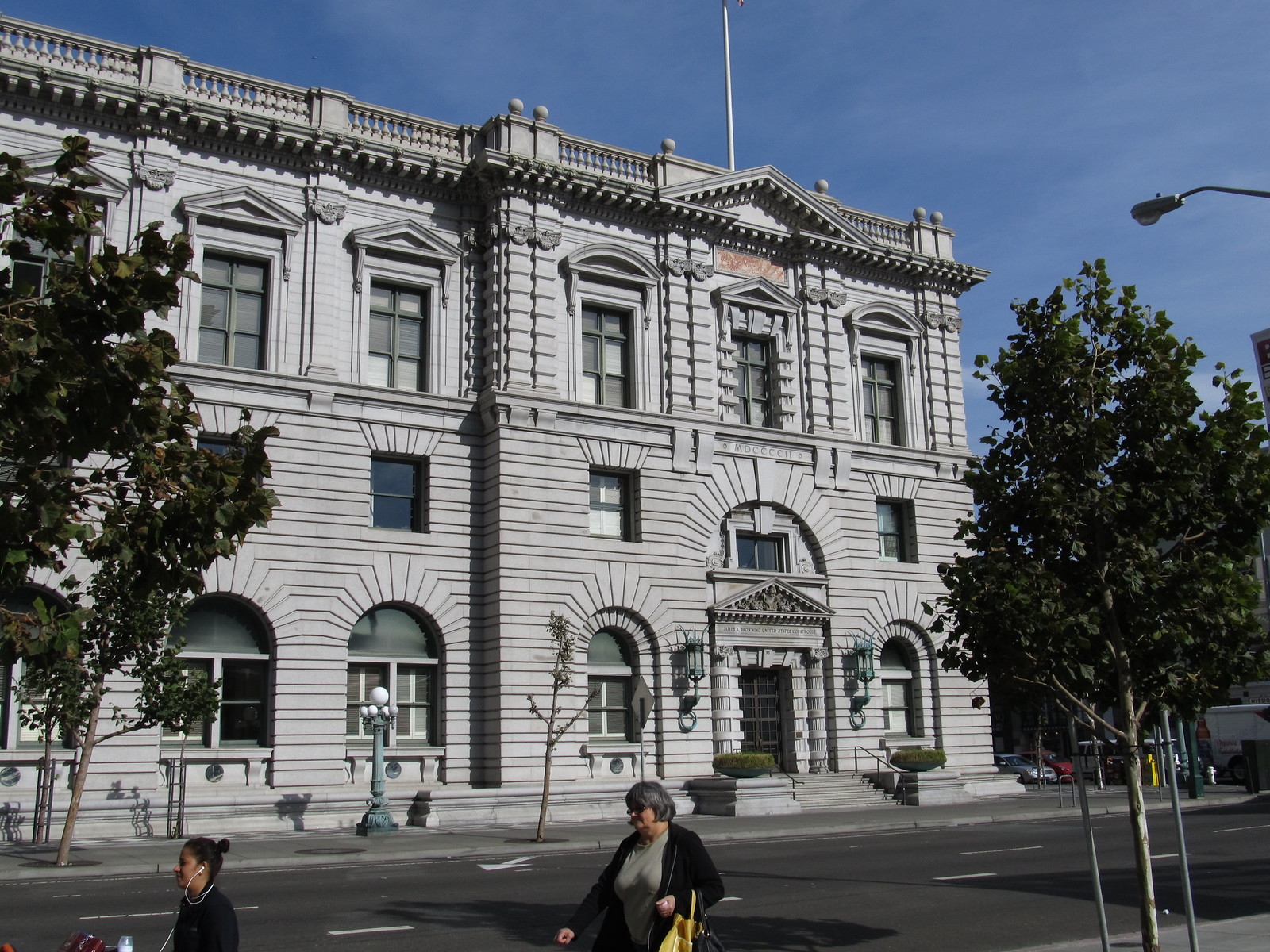
The U.S. Court of Appeals for the Ninth Circuit issued three consequential rulings this week that will ripple across San Francisco's business landscape, including a landmark decision on algorithmic hiring practices that affects major employers in the city's financial district.
The panel upheld a lower court finding that automated hiring systems used by a San Francisco-based logistics firm violated Title VII of the Civil Rights Act when they screened out disproportionate numbers of women and workers over 50. The decision, handed down Wednesday at the federal courthouse at 95 Seventh Street, applies a stricter liability standard to employers using machine-learning recruitment tools. Companies can no longer claim ignorance of discriminatory outcomes; they must conduct regular audits or face penalties. The Ninth Circuit's jurisdiction covers nine western states and oversees the tech-heavy Bay Area's most complex employment litigation.
The practical implications are immediate and costly. San Francisco-based companies in finance, tech, and consulting that use resume-screening software or chatbot interview platforms must now budget for third-party algorithmic audits. One local employment law firm estimates the compliance cost at $50,000 to $150,000 per company, depending on the size of their hiring operation. The ruling applies retroactively to hiring decisions made since January 2024, opening the door to class-action settlements.
Housing and Environmental Enforcement Accelerates
In a separate decision, the Ninth Circuit affirmed that the Environmental Protection Agency can enforce stricter stormwater runoff standards against residential developers in high-density areas. This directly affects San Francisco's ongoing housing crisis. The Mission District and South of Market projects that were stalled over stormwater disputes can now proceed only if they meet the EPA's updated standards, which require permeable surfaces covering at least 35 percent of parking areas and walkways. The San Francisco Planning Department said it received notification of the ruling and expects to issue new guidance by mid-August. The decision will add between $2 million and $8 million to the cost of mid-rise residential projects, depending on site conditions.
Additionally, the Securities and Exchange Commission's San Francisco regional office announced enforcement actions against three pharmaceutical manufacturers for allegedly failing to disclose manufacturing defects to investors. The SEC office, housed in the Embarcadero Center complex, charged the firms with securities fraud related to quality control failures at facilities in Vallejo and Stockton. The combined penalties totaled $47 million. This marks the third pharmaceutical enforcement wave from the regional office this year, signaling intensified scrutiny of manufacturing transparency in Northern California's life sciences sector.
A fourth development on the housing front came late Friday when the Federal Housing Finance Agency, which oversees Fannie Mae and Freddie Mac, tightened lending standards for condominiums in buildings with more than 20 percent delinquency rates. This applies directly to San Francisco's condo market, where several older buildings in the North Beach and Western Addition neighborhoods have experienced ownership turnover and rising delinquencies since 2024. Lenders estimate that perhaps 15 to 20 residential buildings in San Francisco will now face mortgage qualification obstacles for their units.
What Changes Now
Employers should expect guidance documents from the Equal Employment Opportunity Commission's San Francisco district office within two weeks. Housing developers need to consult updated EPA stormwater manuals before breaking ground. And buyers or lenders looking at older condo buildings should request the latest delinquency reports from their board management firms.
The three rulings reflect broader federal pressure on employers to prove algorithmic fairness, on developers to meet environmental standards, and on financial institutions to disclose risk accurately. For San Francisco's economy, the immediate cost will be compliance spending and project delays. Whether that translates into slower housing production or job growth remains a question for commercial real estate brokers and HR departments watching the fallout.