What visitors should know and the must-see highlights
San Francisco remains a destination of shifting tides, and navigating the city’s historic districts requires a blend of planning and local curiosity.
San Francisco remains a destination of shifting tides, and navigating the city’s historic districts requires a blend of planning and local curiosity.
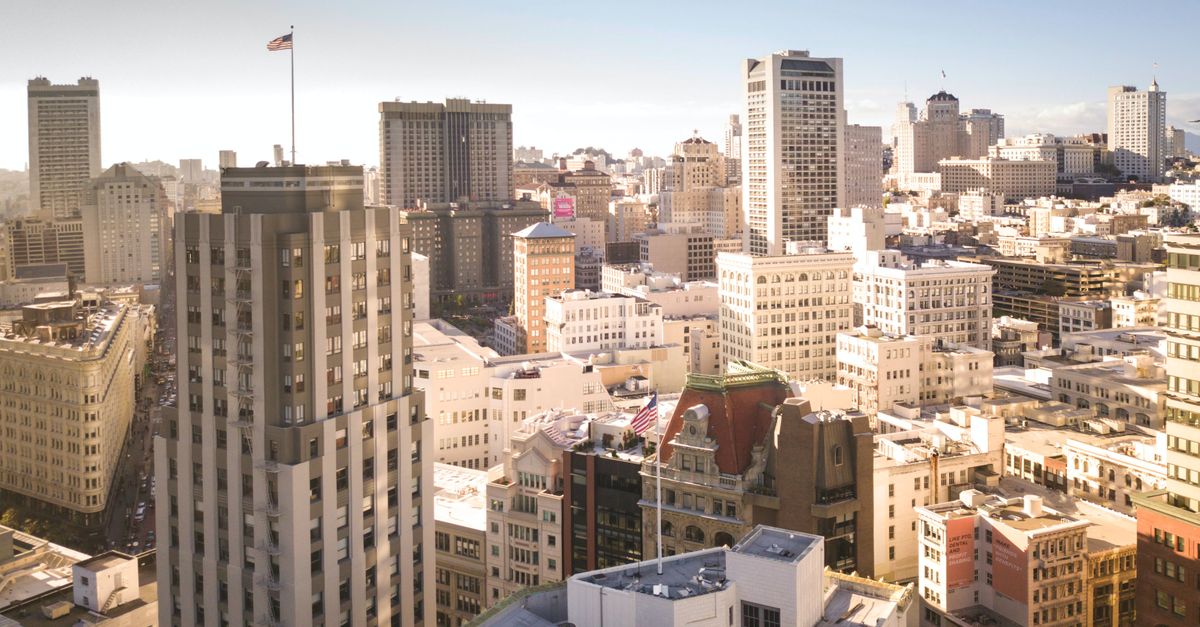
Visitors arriving in San Francisco this July encounter a city defined by its characteristic microclimates and an evolving cultural calendar. As the summer fog rolls through the Golden Gate, the intersection of historic preservation and modern infrastructure remains the primary challenge for those unfamiliar with the city's topography. While major international events dominate global headlines, the local focus remains on the accessibility of public institutions and the preservation of landmarks in neighborhoods ranging from the Mission to the Presidio.
For those prioritizing history, the Presidio of San Francisco stands as a critical stop. Recently repurposed for public use, the area now houses the Presidio Tunnel Tops, which offer expansive views of the bay. Visitors are advised that the regional transit system, operated by the San Francisco Municipal Transportation Agency, remains the most reliable method for reaching these locations. Walking from the Ferry Building along the Embarcadero provides a clear view of the changing waterfront, though the wind intensity increases significantly once you pass Pier 39.
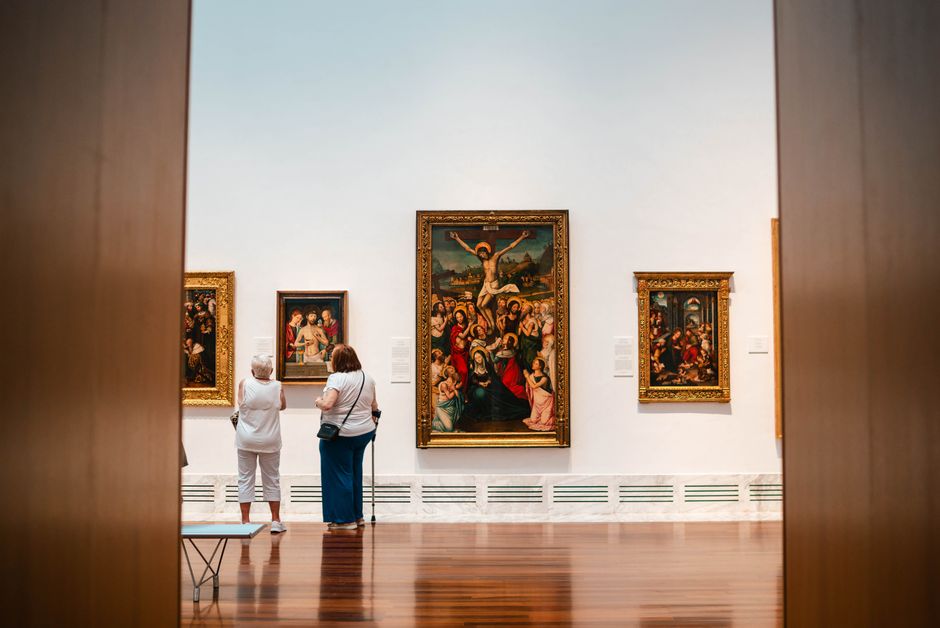
Cultural institutions are maintaining active schedules this weekend. The San Francisco Museum of Modern Art, located on Third Street, has transitioned to its mid-summer programming. Nearby, the Yerba Buena Gardens continue to serve as a central hub for outdoor activity. Tourists should be aware that entry fees and hours are subject to institutional updates, and check the official digital portals for these organizations prior to transit to ensure exhibitions are open to the public.
Current transit data indicates that the cable car lines, particularly the Powell-Hyde route, continue to experience high demand during peak daylight hours. Passengers should prepare for wait times that fluctuate depending on the time of day. According to public records from the San Francisco Municipal Transportation Agency, a single-trip adult fare on the cable car system is $8.00 as of July 2026. This cost covers transit across the city’s steepest grades, connecting Union Square to the northern waterfront.
Practical advice for the weekend traveler centers on attire. Despite the proximity to mid-summer, the temperature in the Sunset District can be significantly lower than in the downtown core. Dressing in layers is standard local practice. For those planning to visit Alcatraz Island, tickets through the National Park Service must be secured well in advance, as same-day availability is rare during the peak summer months. Visitors should consult the official National Park Service booking site to verify launch times from Pier 33.
How does this story make you feel?
Spread the word
About this article
Published by The Daily San Francisco
Daily brief
Free, in your inbox before 7am. Weekdays.
More in culture