San Francisco's identity is layered like the fog rolling through its hills—each stratum tells a story of ambition, survival, reinvention, and resistance. For visitors serious about understanding this city beyond postcard snapshots, the real narrative unfolds across specific neighbourhoods and institutions that have defined it for nearly two centuries.
Start in the Financial District, where the 1906 earthquake and fire tested the city's resilience. The Ferry Building Marketplace, completed in 1898, survived the disaster and remains a working monument to San Francisco's port heritage. Then head to North Beach, the Italian neighbourhood that emerged in the early 1900s. City Lights Bookstore, founded in 1953 by poet Lawrence Ferlinghetti, sits on Columbus Avenue as a temple to the Beat Generation that transformed American culture. The bookstore still operates independently—a rarity in 2026—and walking its narrow aisles reveals how literature shaped this city's counterculture DNA.
The Mission District offers a different lens entirely. Originally established as Mission Dolores in 1776, the neighbourhood became a hub for working-class Latino communities throughout the 20th century. Today, the Mission is ground zero for the city's ongoing identity struggle between heritage and gentrification. Visitors should explore the murals along Clarion Alley and Balmy Street—these aren't decorative; they're a community's visual archive of resistance and pride. The San Francisco History Center at the Main Library (100 Larkin Street) houses 400,000 photographs and documents that provide crucial context about how neighbourhoods like this transformed.
No visit is complete without acknowledging the Castro District's significance to LGBTQ+ history. The Human Rights Campaign building and the neighborhoods's street-level vitality represent decades of visibility fought for against overwhelming odds. The GLBT Historical Society museum offers essential context.
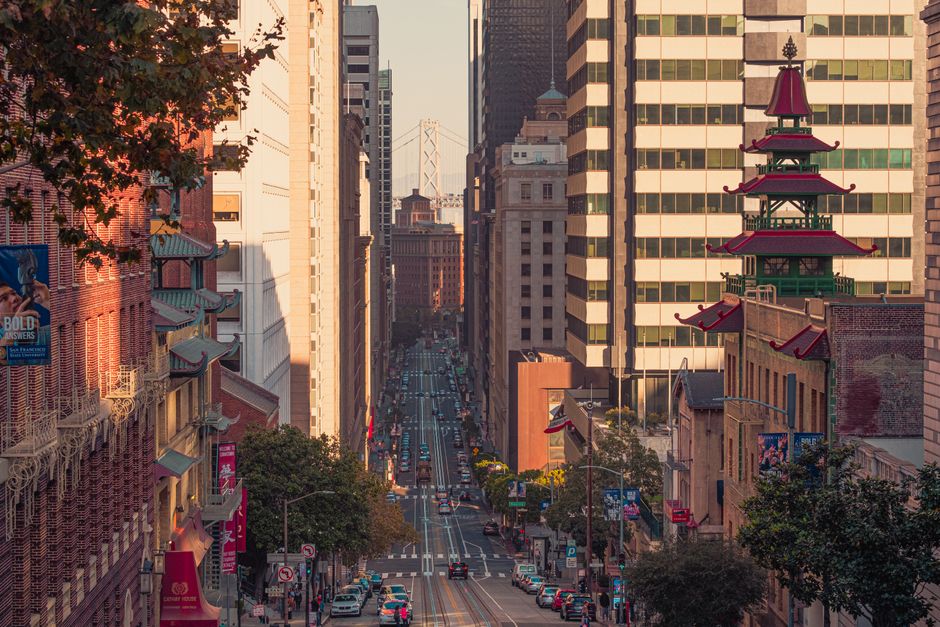
Finally, understand that San Francisco's Chinese heritage shapes everything. The Chinese Historical Society of America, located in Jackson Square, reveals how Chinese immigrants built railways and communities while facing systematic exclusion. Chinatown itself—entered through the Dragon's Gate on Grant Avenue—remains one of the largest Chinese enclaves outside Asia, with continuous settlement since the 1840s.
The through-line connecting these places isn't tourism infrastructure; it's the story of how outsiders, dreamers, and survivors created something that repeatedly reinvented itself. That's San Francisco's actual identity: not a destination, but a conversation between past and future, still unfolding.
This article was compiled by AI and screened before publishing. See our editorial standards.