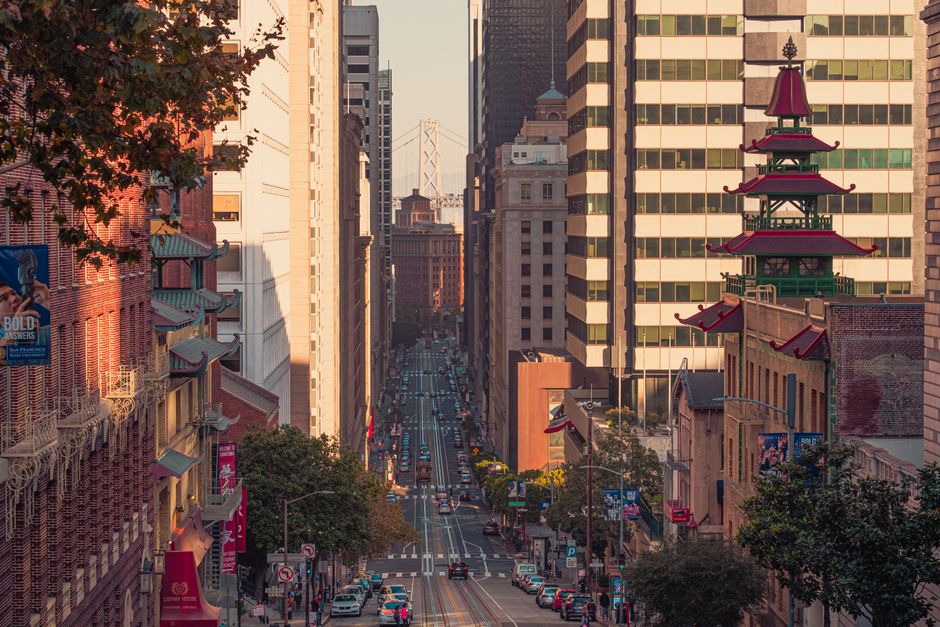
Walk through the Mission District on a Tuesday afternoon and you'll notice the scaffolding—cranes hovering over Valencia Street, construction permits plastered on century-old storefronts. The physical transformation is visible. But what troubles the historians, archivists, and community organizers now gathering in conference rooms across the city is what's invisible: the disappearing stories beneath the renovation.
This summer, as the cost of living in San Francisco continues its relentless climb—median rent now exceeding $3,200 monthly—cultural institutions are sounding an alarm about heritage preservation. The San Francisco History Center at the Main Library on Larkin Street has launched an accelerated oral history initiative, recording interviews with longtime residents before they leave the city. Meanwhile, the Chinese Historical Society of America in Jackson Square is digitizing decades of archival materials at an unprecedented pace, recognizing that institutional knowledge held by aging community members cannot wait.
"We're documenting San Francisco's identity in real time," explains the work happening across multiple organizations simultaneously. The urgency reflects a city caught between nostalgia and inevitability. In neighborhoods from the Sunset District to South of Market, the establishments that defined San Francisco's cultural character—the jazz clubs, the independent bookstores, the family-run restaurants—are being replaced faster than historians can record them.
The Bay View community has organized its own heritage mapping project, creating digital records of African American cultural sites that have shaped the city since the 1940s. In Chinatown, where rents have doubled in five years, residents and activists are cataloging neighborhood histories in Cantonese and Mandarin, racing against displacement. These aren't academic exercises; they're acts of cultural self-preservation.
What makes this moment distinct isn't that cities change—they always do. It's the velocity and the demographic shift happening simultaneously. San Francisco's population composition is shifting faster than any major American city, and with it, the lived experiences that informed the city's identity are being archived before they're archived in collective memory at all.
Local cultural organizations are crowdfunding preservation work, launching TikTok accounts to reach younger audiences, and hosting community listening sessions in neighborhoods where rent increases are most severe. The message is consistent: San Francisco's story isn't something to preserve in museums. It's something being written out of the city right now, block by block, and the window to capture it is closing.
This article was compiled by AI and screened before publishing. See our editorial standards.