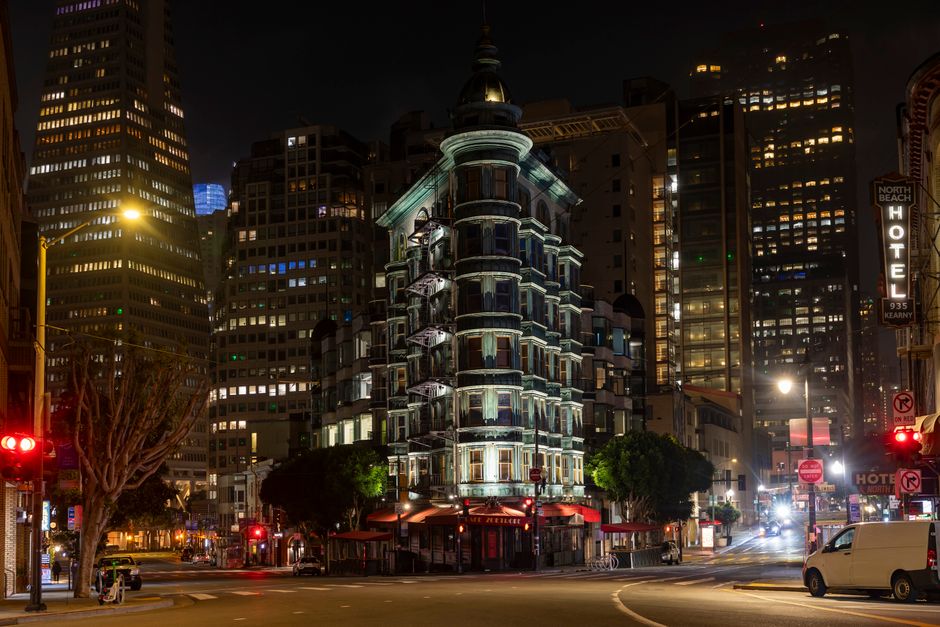
San Francisco's relationship with food and drink is inseparable from its identity as a city remade by waves of arrival and reinvention. In the 1850s, when prospectors poured into the Gold Rush, the Barbary Coast teemed with dive bars and hastily assembled eating houses catering to miners flush with gold dust. Those establishments—many clustered around Portsmouth Square in Jackson Square—operated on pure practicality: sustenance and spirits, served fast and without ceremony.
The culinary landscape shifted dramatically after the 1906 earthquake and fire destroyed much of the city. When San Francisco rebuilt, so did its food culture. By the 1920s and 1930s, Italian immigrants had established North Beach as a neighborhood of Italian bakeries, delis, and family-run trattorias. Many of those establishments—places like Caffe Trieste, which opened in 1956—still operate along Columbus Avenue, anchoring the neighborhood's identity and drawing both tourists and locals seeking authentic experiences rooted in immigrant heritage.
The 1970s and 1980s marked another transformation. Alice Waters' Chez Panisse in Berkeley catalyzed a regional food revolution emphasizing local, seasonal ingredients—principles that rippled across the Bay and fundamentally altered how restaurants sourced and approached cooking. San Francisco's fine dining scene coalesced around neighborhoods like Pacific Heights and the Marina, while a more casual, experimental dining culture emerged in the Mission District, where Latino communities had long established their own rich food traditions alongside emerging gastropubs and early farm-to-table concepts.
Today's San Francisco restaurant economy reflects this layered history. The city supports roughly 3,500 restaurants and bars across neighborhoods, from the high-end establishments along Nob Hill to the Mission's taquerias and ramen shops where meals cost under $15. Market Street's revitalization has brought new dining venues to long-neglected stretches, while neighborhoods like Hayes Valley and SOMA have become incubators for chef-driven concepts that balance innovation with accessibility.
Yet the scene faces unprecedented pressures. Rising commercial rents have forced longtime establishments to shutter—the city lost approximately 15 percent of its restaurant workforce during 2020-2022 alone. The tension between San Francisco's identity as a culinary innovator and the economic realities facing hospitality workers defines the current moment, much as earthquakes and immigration defined previous eras.
What persists is the San Francisco appetite for reinvention itself: a willingness to embrace new cuisines, new techniques, new voices—while honoring the traditions that preceded them.
This article was compiled by AI and screened before publishing. See our editorial standards.