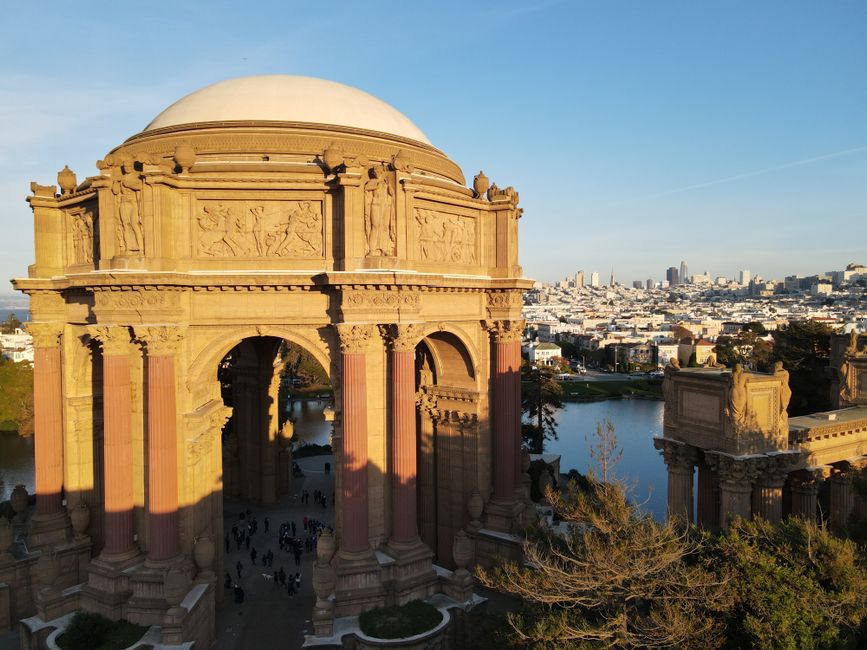
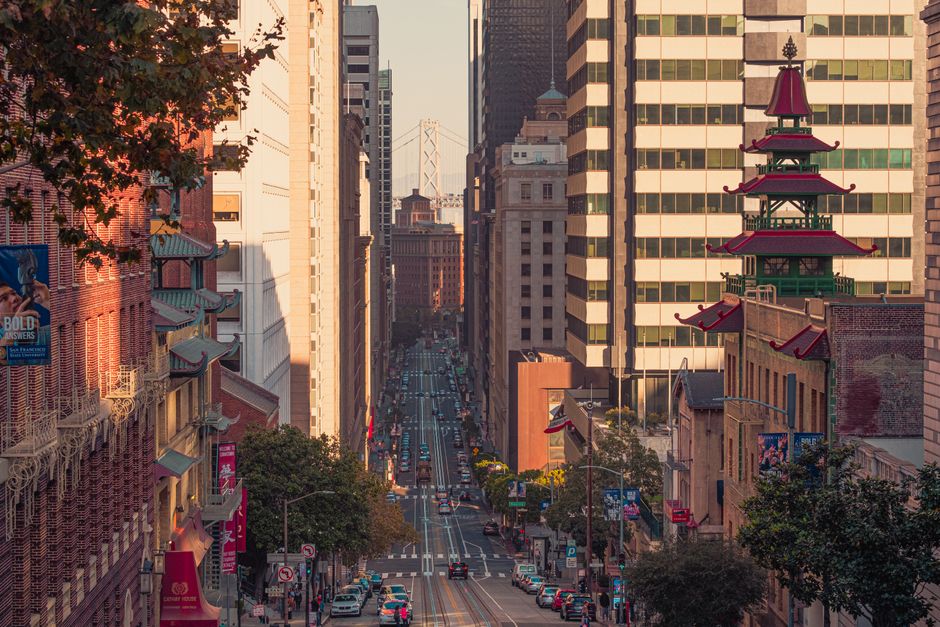
Walk through Fort Mason or the Civic Center Plaza on any summer weekend in 2026, and you'll encounter a San Francisco festival landscape that would be unrecognizable to residents from the 1990s. What began as informal warehouse parties and neighborhood street fairs has crystallized into a meticulously curated calendar that draws hundreds of thousands annually and generates an estimated $400 million in economic impact for the city.
The transformation began quietly. In the early '90s, the San Francisco Pride Parade was already an institution, but most other cultural events were modest affairs—small film festivals screened in Mission District basements, jazz performances happened in cramped North Beach clubs, and the Haight-Ashbury street fair was essentially a block party run by locals. There was no unified vision, no sponsorship infrastructure, no coordinated marketing beyond word-of-mouth.
The real inflection point came around 2008-2010, when organizations like the San Francisco Travel Association and the Mayor's Office of Economic and Workforce Development began systematically documenting and promoting the city's event ecosystem. Simultaneously, neighborhoods like SOMA and the Dogpatch—previously industrial wastelands—became venues for larger-scale cultural events. The Outside Lands Music Festival, launched in Golden Gate Park in 2008, set a new template: professionally organized, environmentally conscious, and capable of attracting international talent.
What makes San Francisco's current festival scene distinctive isn't just scale—it's the fusion of high production value with grassroots authenticity. The Stern Grove Festival, operating since 1932, still offers free performances in a natural amphitheater, competing for audiences with the more commercial Hardly Strictly Bluegrass festival nearby. The Bay Area Book Festival, the Frameline Film Festival, and dozens of neighborhood-specific celebrations coexist, each with distinct identities and demographics.
Yet the evolution hasn't been frictionless. Rising costs have pushed some events to relocate outside city limits. Housing pressures have changed festival attendance patterns—many traditional San Francisco residents can no longer afford to live near event venues. The pandemic accelerated digital adoption, and while in-person attendance has rebounded, the festival calendar is now more spread throughout the year than ever, rather than concentrated in summer months.
Today's San Francisco festival scene reflects the city's complicated relationship with itself: proud of its cultural contributions yet grappling with questions about accessibility, authenticity, and who these celebrations ultimately serve. That tension—between aspiration and pragmatism, between commercial viability and community values—has always defined San Francisco. Three decades of evolution have simply made it more visible.
This article was compiled by AI and screened before publishing. See our editorial standards.