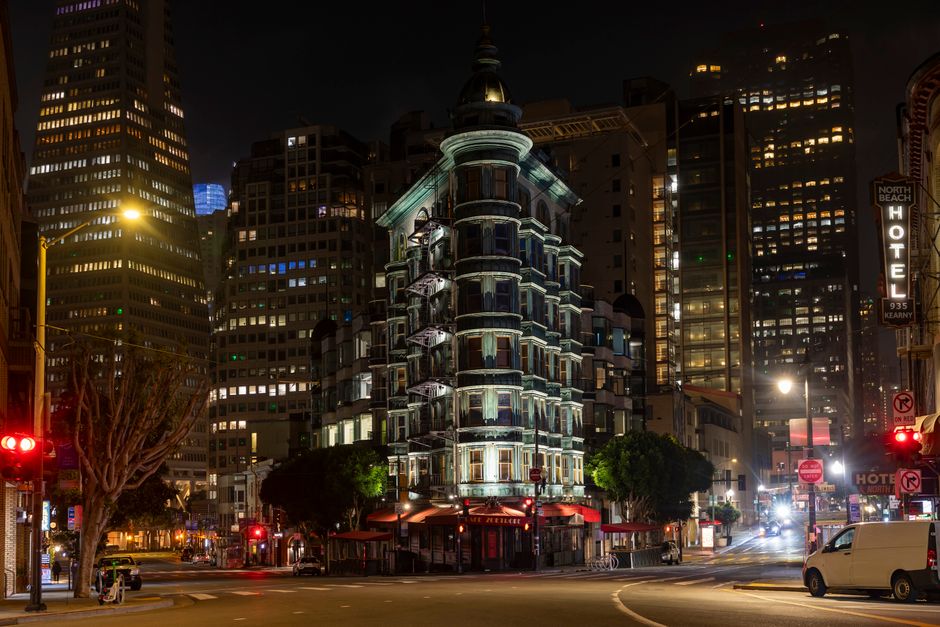
San Francisco Art Galleries: Mission District Renaissance 2024
Mission District and SOMA galleries surge post-pandemic. Discover free art experiences, emerging venues, and why locals are returning to San Francisco's creative spaces.
Mission District and SOMA galleries surge post-pandemic. Discover free art experiences, emerging venues, and why locals are returning to San Francisco's creative spaces.
Listen to this article · 3:35
Walk down Valencia Street in the Mission on any given Thursday evening, and you'll notice something that felt impossible to imagine three years ago: galleries are packed. Not with trust-fund collectors browsing six-figure installations, but with neighbors—teachers, tech workers, artists themselves—engaging with work that costs nothing to experience.
This shift marks a turning point for San Francisco's arts landscape. After the pandemic gutted commercial galleries and rising rents threatened institutional survival, the city's museum and gallery ecosystem is rebounding in an unexpectedly democratic form. The de Young Museum's recent 40 percent increase in summer attendance, combined with steady growth at smaller venues across the Mission and SOMA, suggests locals are actively rediscovering spaces they'd neglected during years of economic precarity and cultural fragmentation.
The reasons are threefold. First, artist-run collectives have filled vacancies that commercial galleries abandoned. Spaces like those emerging in the former industrial blocks south of Market Street have transformed raw warehouse rooms into exhibitions that feel urgent and unmediated—precisely what audiences craved after a period of cultural uncertainty. These galleries operate on razor-thin margins, often run by artists working day jobs, but they've become cultural anchors.
Second, established institutions are taking calculated risks. The Museum of Modern Art's recent programming shift toward work by Bay Area artists—a departure from its traditionally global focus—has energized local participation. Admission remains at $25 for adults, but pay-what-you-wish hours on first Tuesdays continue drawing crowds.
Third, there's a genuine hunger for non-digital experiences. Unlike the constant stream of algorithmically curated content, standing before physical work in shared space offers something social media cannot: genuine encounter. In a city as digitally saturated as San Francisco, galleries have become countercultural spaces.
Not everyone benefits equally. Gentrification pressures persist—Mission District rents continue climbing, and several artist collectives face displacement notices. The SFMOMA's recent expansion plans, while symbolically important, underscore how institutional growth can paradoxically price out smaller galleries.
Yet what's undeniable is this: San Francisco's arts conversation has shifted from anxiety to momentum. Whether browsing artist portfolios in a SOMA warehouse or queuing for the de Young, locals increasingly see galleries as essential infrastructure rather than luxury amenities. That's worth paying attention to.
This article was compiled by AI and screened before publishing. See our editorial standards.
How does this story make you feel?
Spread the word
About this article
Published by The Daily San Francisco
Daily brief
Free, in your inbox before 7am. Weekdays.
More in culture