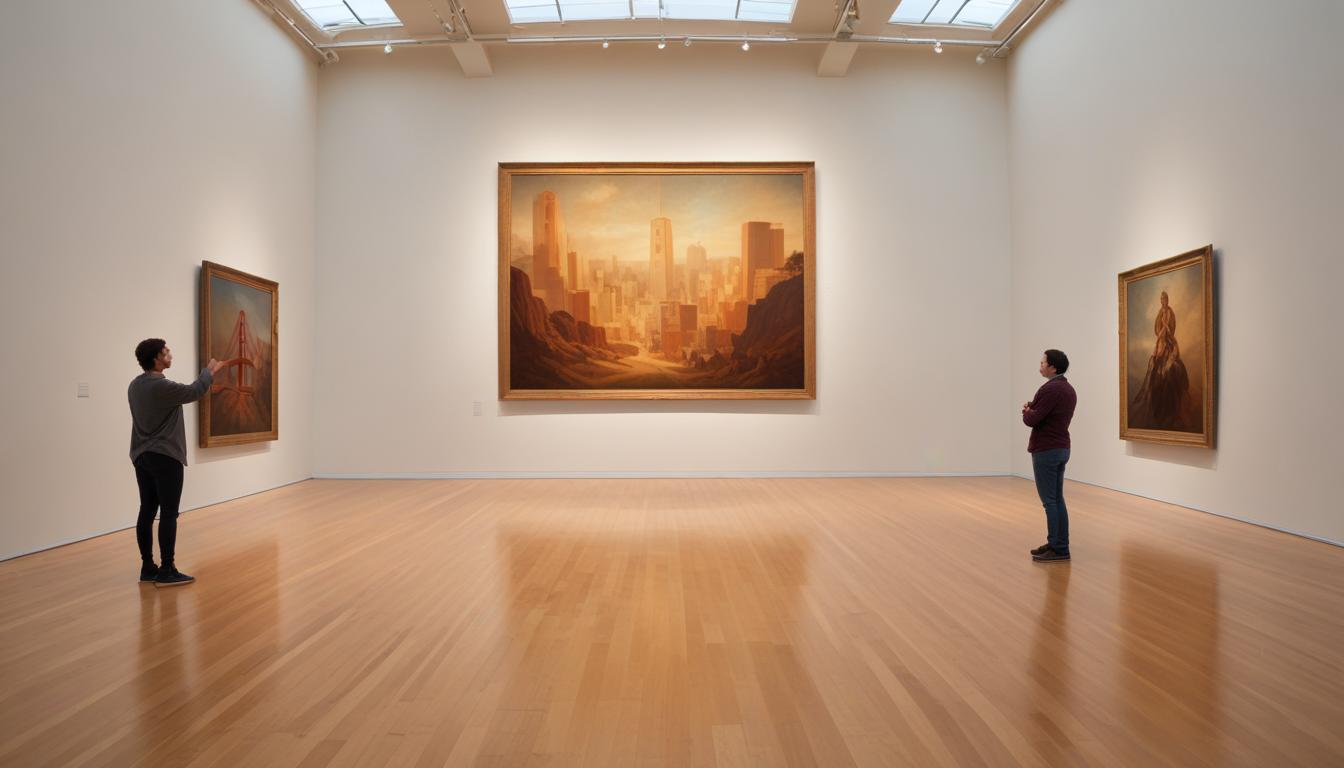
Walk down Columbus Avenue on any given evening, and you'll witness San Francisco's cultural paradox in real time. The City Lights Bookstore—still operating from its original North Beach location since 1953—stands yards away from luxury condominiums that start at $2.8 million. It's a physical manifestation of a question that has defined this city for nearly two centuries: How do you preserve cultural identity in a place that treats reinvention as its core religion?
The tension isn't new. When the 1849 Gold Rush flooded San Francisco's population from 800 to 36,000 in a single year, the city became a crucible of competing cultures. Immigrants from China, Chile, Italy, and Ireland carved out distinct neighbourhoods—many of whose names still echo that heritage. The Ferry Building, restored in 2003, once processed thousands of newcomers seeking fortune. Today it's a symbol of gentrification, housing artisanal food vendors at prices that would have bewildered those original arrivals.
The San Francisco History Center at the Main Library on Larkin Street holds meticulous records of this evolution. Their archives show how the Mission District's muralist tradition—now internationally famous—emerged from 1970s activism, when community members like the Mujeres Muralistas collective reclaimed public space as cultural expression. Those murals, many now protected heritage sites, represented something radical: the idea that culture belonged to everyone, not just those who could afford gallery admission.
That democratic impulse shaped everything from the Fillmore District's legendary jazz clubs to the Haight's countercultural explosion. Yet between 2010 and 2020, San Francisco's median rent nearly doubled to $2,400 for a one-bedroom apartment. The cultural venues that once made those neighbourhoods distinctive—the Fillmore Auditorium, jazz lounges, small independent theatres—face existential pressure.
The Asian Art Museum on Civic Center Plaza and the Contemporary Jewish Museum in SoMa represent something important: institutions explicitly dedicated to preserving and contextualizing specific cultural narratives within the broader San Francisco story. They're bulwarks against a particular kind of erasure that comes with rapid change.
What distinguishes San Francisco's cultural identity isn't stability—it's the tension between immigrant reinvention and community rootedness. The question isn't whether the city will change. It always has. The question is whether those changes will include space for the cultures that arrived here seeking something better, and whether future San Franciscans will recognize themselves in the city their predecessors built.
This article was compiled by AI from the sources linked above and screened before publishing. See our editorial standards.