How San Francisco's Gallery and Museum Renaissance Is Reshaping the City's Creative Soul
As the Bay Area's arts institutions undergo major expansions and reimagining, they're becoming the anchor for a city redefining itself beyond tech.
As the Bay Area's arts institutions undergo major expansions and reimagining, they're becoming the anchor for a city redefining itself beyond tech.
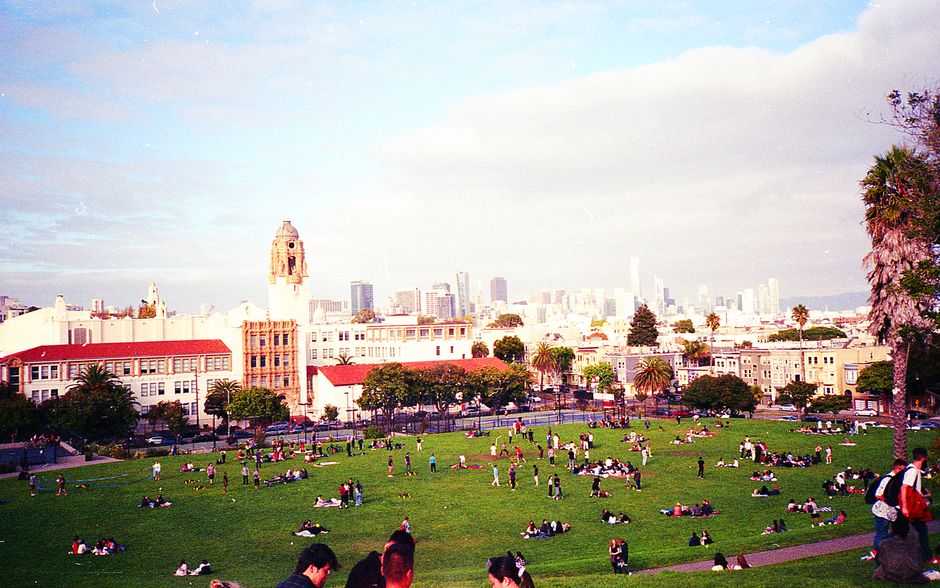
Walk down Valencia Street on a Friday evening and you'll witness something that would have seemed impossible five years ago: gallery openings packed with multigenerational crowds, conversation spilling onto sidewalks, a genuine sense of cultural momentum that has nothing to do with startup valuations or venture capital.
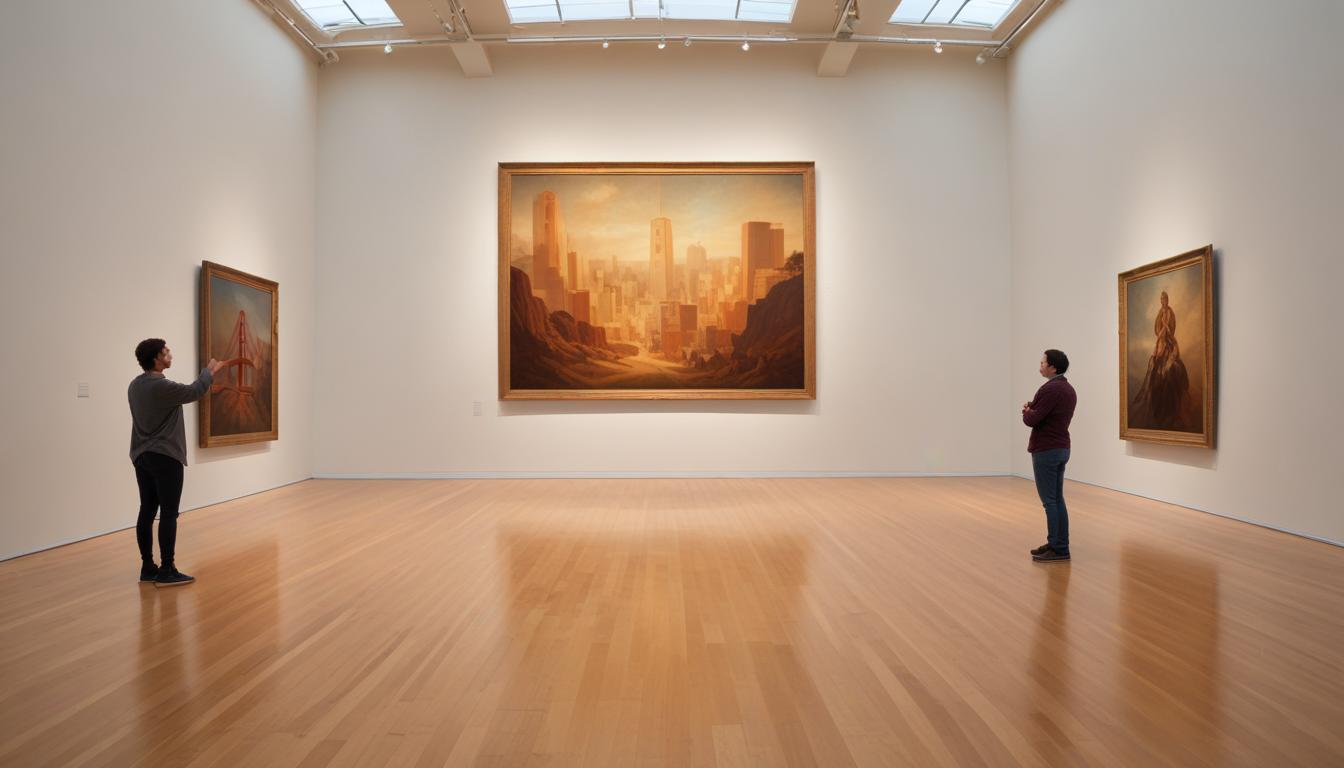
San Francisco's arts institutions are quietly reshaping what it means to be this city in 2026. The de Young Museum's recent expansion into American contemporary work, combined with the SFMOMA's continued evolution in the Mission, has created a cultural gravitational pull that's drawing both established collectors and young artists back to neighborhoods that had been economically hollowed out.
The numbers tell part of the story. Attendance at major Bay Area museums has grown 23 percent since 2023, according to the San Francisco Travel Association. The Asian Art Museum in the Civic Center has nearly tripled its programming budget. Meanwhile, smaller galleries in SoMa, the Mission, and Potrero Hill—areas that once felt defined by their proximity to tech offices—are now anchoring genuine creative communities.
What's particularly significant is the shift in institutional focus. The Contemporary Jewish Museum's recent emphasis on diaspora narratives, the Cartoon Art Museum's expanded presence, and the emergence of artist-run spaces like Ratio3 in the Mission reflect a deliberate turn toward cultural identity and community storytelling. This isn't about prestige or international reputation—though those matter. It's about creating spaces where San Francisco's actual residents see themselves reflected.
The economics are shifting too. Gallery rents on Geary Boulevard have stabilized after years of displacement, and several mid-sized institutions have moved into formerly vacant storefronts. The Equitable Gallery Initiative, launched in 2024, has helped emerging artists access exhibition space at sustainable rates.
Perhaps most tellingly, the city's younger demographic is showing up. The SFMOMA's membership under 40 has increased by 31 percent in two years. First Fridays in the Mission regularly draw crowds exceeding 10,000 people. These aren't tourists checking boxes; they're residents actively choosing to spend their time and money here.
In a city still grappling with its identity post-pandemic and post-tech boom, the arts are providing something tech never could: a shared sense of meaning-making that's rooted in place rather than profit. San Francisco has always defined itself through culture, but for the first time in years, the city's galleries and museums are doing something more important than validating that claim. They're making it feel true again.
This article was compiled by AI from the sources linked above and screened before publishing. See our editorial standards.
How does this story make you feel?
Spread the word
About this article
Published by The Daily San Francisco
Daily brief
Free, in your inbox before 7am. Weekdays.
More in culture