San Francisco's Gallery Scene is Reclaiming the City's Soul as Tech Money Fades
From SOMA warehouses to Mission District storefronts, museums and independent galleries are reshaping what it means to be San Francisco in 2026.
From SOMA warehouses to Mission District storefronts, museums and independent galleries are reshaping what it means to be San Francisco in 2026.
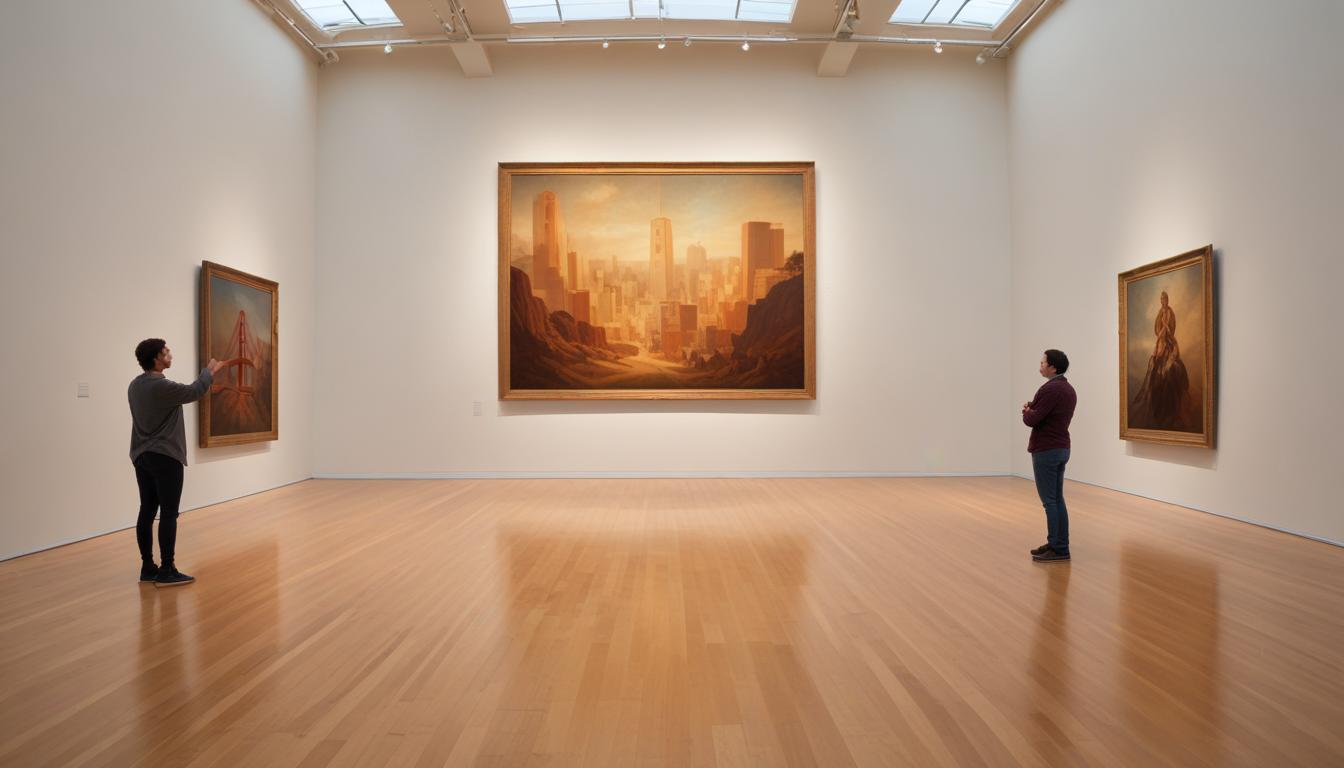
Walk down Valencia Street on a Friday evening and you'll encounter something increasingly rare in San Francisco: genuine creative ferment that has nothing to do with venture capital. Gallery openings pack sidewalks. Artist collectives turn empty storefronts into temporary exhibition spaces. The Bay Area's arts infrastructure—long eclipsed by the city's tech dominance—is reasserting itself as a defining force in San Francisco's identity.
The shift is tangible. The San Francisco Museum of Modern Art reported a 34% increase in attendance over the past eighteen months, with programming focused explicitly on local artists and Bay Area movements. Meanwhile, smaller galleries clustering around the Mission, SOMA, and increasingly the Tenderloin are attracting collectors and curious observers in equal measure. These aren't Instagram backdrops or corporate art installations. They're spaces where experimental work finds oxygen.
"The financial pressure that pushed artists out five years ago has created a strange opportunity," explains the California College of the Arts, which has deepened its community partnerships with San Francisco institutions. The college's own galleries in Oakland have become crucial waypoints for Bay Area artists seeking affordable exhibition space—a reality that underscores how geography, economics, and culture remain interlocked here.
The de Young Museum in Golden Gate Park continues its tradition of major contemporary exhibitions, but it's the neighborhood-level activity that reveals the city's creative recalibration. The Luggage Store Gallery in the Tenderloin, operating since 1989, has become a reference point for how artist-run spaces can anchor gentrifying neighborhoods. Meanwhile, galleries along the length of Market Street—from the Ferry Building to the Civic Center—are experiencing a renaissance as commercial rents stabilize and landlords recognize that cultural tenancy offers stability.
What's remarkable is the diversity of the scene. Chinatown's galleries showcase Asian diaspora artists. The Mission's Latinx creative community continues to thrive despite decades of displacement pressure. SOMA's industrial character attracts large-scale sculptural and installation work. This geographic distribution—a network rather than a single arts district—feels distinctly San Franciscan.
The SFMOMA's recently expanded hours and the city's commitment to cultural funding suggest institutional recognition that the city's post-tech-boom identity depends on cultivating authentic creative spaces. The question now is whether this renaissance can sustain itself against predictable pressures. For a city that has cycled through gold rushes, dot-com booms, and crypto fantasies, the galleries and museums quietly opening along side streets may prove to be the only legacies that actually endure.
This article was compiled by AI from the sources linked above and screened before publishing. See our editorial standards.
How does this story make you feel?
Spread the word
About this article
Published by The Daily San Francisco
Daily brief
Free, in your inbox before 7am. Weekdays.
More in culture