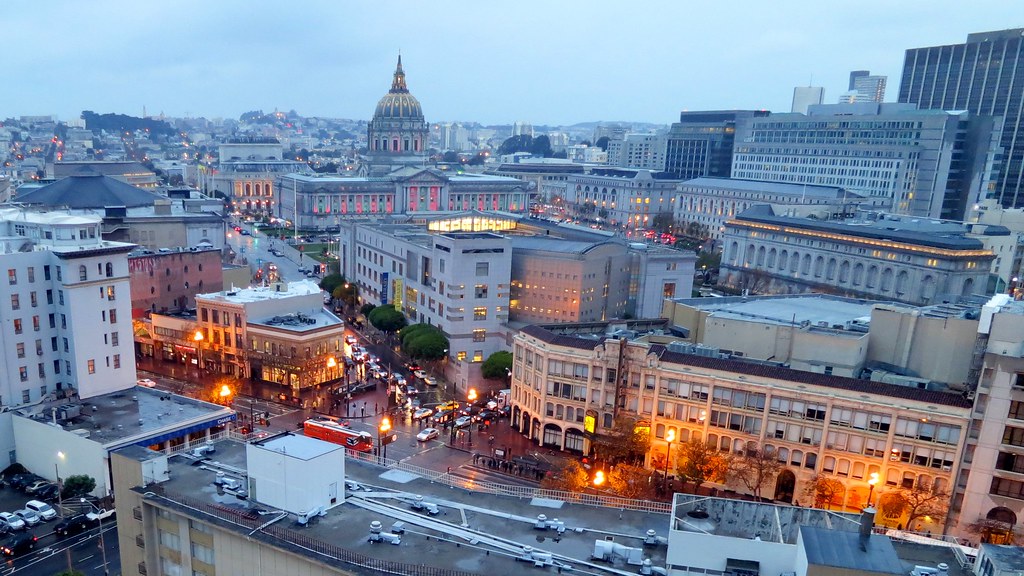
Walk down Valencia Street between 16th and 24th today and you'll encounter what many consider San Francisco's creative heartbeat: murals stretching several stories high, independent bookstores anchoring corners, galleries tucked between taquerias, and music venues that have launched national acts. But this cultural renaissance has a complicated origin story often overshadowed by its own commercial success.
The Mission District's cultural identity didn't emerge from tech money or city planning. It was built deliberately—and against considerable odds—by Latino families, queer artists, and immigrant entrepreneurs who recognized the neighborhood's bones and refused to let them calcify. Starting in the 1980s, as manufacturing jobs fled and landlords abandoned properties, these early settlers didn't wait for investment. They created it.
The Precita Eyes Muralists, founded in 1977, transformed blank walls into a living archive of community history, Chicano identity, and social justice. Today, the organization continues training youth in a neighborhood where nearly 60% of residents identify as Latino—a demographic that has watched property values triple since 2010. Organizations like Casa Latinoamericana and the Mission Cultural Center maintained community gathering spaces even as rents climbed from $800 monthly (2000) to over $2,800 (2026) for a one-bedroom apartment.
What emerges from documenting this history—through interviews with longtime residents, archival work at the San Francisco History Center, and conversations with cultural workers still operating on Mission Street—is a portrait of active resistance. When galleries like Slought opened in converted warehouses, when musicians established DIY venues in basements and storefronts, when poets gathered at the Café Trieste, they weren't pursuing nostalgia or irony. They were asserting a claim to belonging in their own neighborhood.
The irony, of course, is bittersweet. The very cultural vitality that made the Mission attractive to outsiders accelerated displacement. Artists priced out of the Mission have scattered to Daly City, the Sunset, even further east. The neighborhood's median rent now rivals Pacific Heights. Some original cultural institutions remain—the Mission District still hosts over 120 murals—but the ecosystem that created them faces constant pressure.
As San Francisco grapples with questions of identity and belonging in 2026, the Mission's story offers crucial lessons about who builds culture, who gets to benefit from it, and what we lose when economic forces override community stewardship. The scene wasn't inevitable. It was made—and the people who made it deserve more than footnotes in an increasingly expensive city's mythology.
This article was compiled by AI and screened before publishing. See our editorial standards.