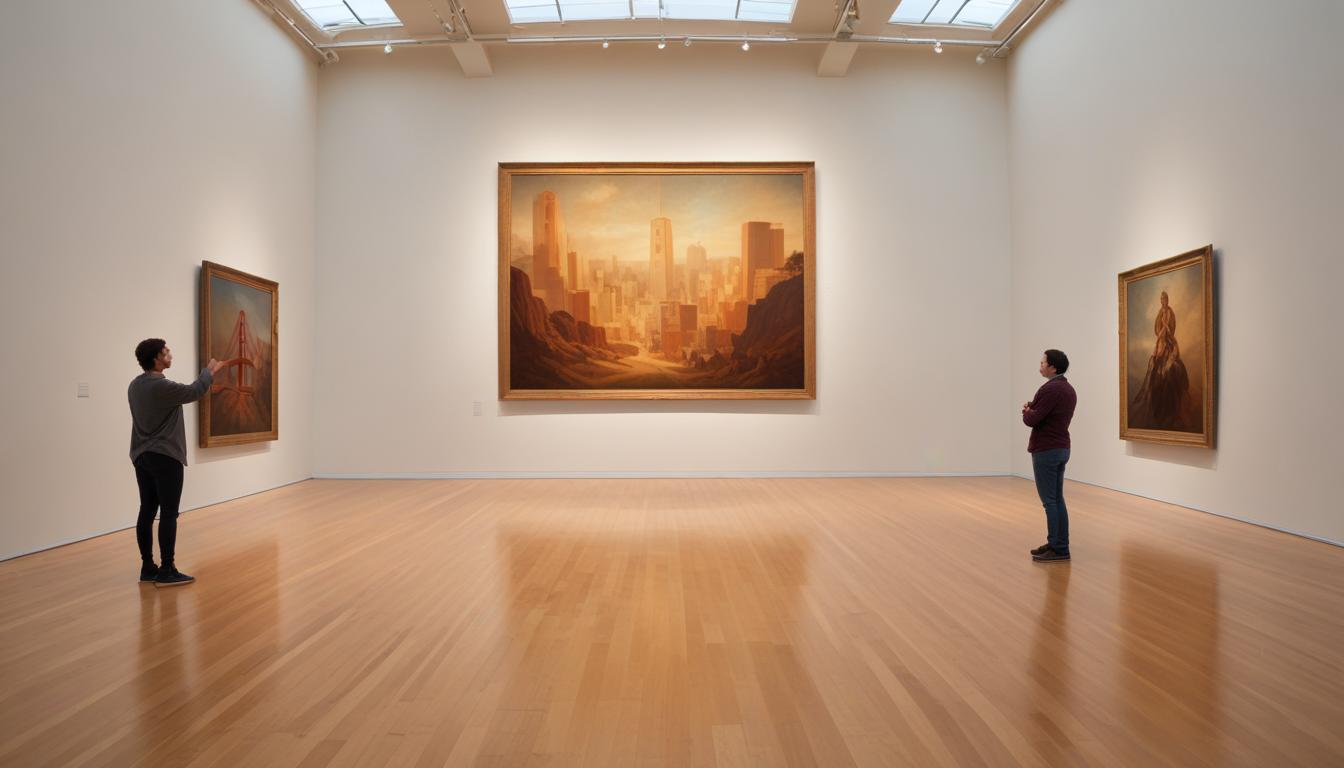
On a Tuesday evening in late June, roughly 80 people gathered in the parking lot behind La Mission Mesoamericana on Mission Street to help paint the neighborhood's newest mural. The artwork, a collaboration between the Mission Cultural Association and residents who've lived within these blocks for three decades or more, depicts the pre-gentrification landscape of the 1980s and 90s—corner bodegas, lowriders, and murals now lost to development.
This is the texture of a quiet but determined movement reshaping how San Francisco engages with its own history. Unlike top-down heritage initiatives funded by city departments, this effort is driven by longtime residents, immigrant communities, and grassroots organizations determined to document and celebrate the Mission District's Latino identity before it disappears entirely.
"We're not waiting for permission or funding from City Hall," says the Mission Cultural Association, which has coordinated over 40 community history projects since 2022. "The city's official narrative ignores us. So we're creating our own."
The movement encompasses several interlocking initiatives. The Calle 24 Latino Cultural District, formally designated in 2014 but increasingly activist-led, has expanded its focus beyond commercial preservation to oral history documentation. Volunteers conduct recorded interviews with elders along 24th Street—from Folsom to Mission—capturing memories of family businesses, social clubs, and cultural traditions. These recordings are being archived at the San Francisco Public Library's Heritage Collection, creating an alternative historical record.
Meanwhile, younger organizers are leveraging social media and grassroots networks to crowdsource historical photographs and documents. A project called "Mission Memory" has collected over 3,000 images since launching in March 2025, creating a searchable digital archive accessible free to residents. The median rent in the Mission has climbed to $3,200 for a one-bedroom apartment—nearly double the city average from a decade ago—making this documentation increasingly urgent.
The work extends beyond nostalgia. Community organizers frame heritage preservation as a political act, tied directly to housing rights and displacement resistance. When the city proposed removing a historic mural on 24th Street last year to make room for scaffolding, residents successfully halted the work in 48 hours through coordinated community pressure. "Our culture isn't decoration," organizers stated in a widely-shared letter. "It's proof we belong here."
As San Francisco continues its relentless transformation, this grassroots coalition offers a counternarrative: that cultural memory is something communities must actively defend and author themselves. The Mission District's future will likely look nothing like its past. But thanks to these organizers, future generations will at least know what was here.
This article was compiled by AI from the sources linked above and screened before publishing. See our editorial standards.